






Modern Running Shoe Technologies: How They Improve Comfort and Performance

Running shoes are no longer just lightweight sneakers with soft soles. Today, they use cushioning foams, air cushions, stabilizing inserts, breathable materials and constructions that help the foot move more naturally. All of this affects not only comfort, but also how confident a person feels during a run.
It is important to understand: technologies do not create results on their own. They help reduce unnecessary pressure, improve the fit, add stability and make running more pleasant. That is why, when choosing sneakers, it is worth looking not only at the design, but also at how the pair works during movement.
Why running shoes need technology
During running, the foot receives impact with every step. If the sole is too rigid, thin or unstable, the legs get tired faster and movement becomes less comfortable. Modern materials help soften contact with the surface, support the foot and make the transition from heel to toe smoother.
Good sports footwear should work together with the body: it should not block movement, squeeze the toes, rub the heel or create a feeling of heaviness. That is why brands constantly experiment with soles, uppers, insoles and fixation systems.
Cushioning: Air, Boost, EVA and other materials
One of the main tasks of running shoes is cushioning. Air cushions, soft foams and lightweight synthetic materials help reduce the hardness of impact when landing. For example, Air technology is based on an air chamber in the sole, which adds a feeling of bounce and softness.
EVA is often used in the midsole because this material is light, flexible and soft enough. Boost and similar foam materials give a more elastic feeling while walking and running. Such a sole does not simply soften the step, but also helps make movement smoother and less tiring.
Why sole lightness matters
The lighter the footwear, the less extra pressure appears during long movement. For a short walk, the difference may be almost invisible, but during running every gram is felt more clearly. That is why EVA, TPU, Pebax and other modern materials are often used in running models.
TPU is valued for its strength and elasticity, while Pebax is known for combining lightness, flexibility and good energy return. These materials make it possible to create a sole that does not look bulky, but still supports the foot and helps maintain rhythm.
Foot fixation and upper technologies
Comfort does not depend only on the sole. The upper part of the shoe also plays an important role: it should hold the foot, but not squeeze it. If the foot moves inside the shoe, friction, instability and the feeling that you constantly need to control your step can appear.
Technologies such as Flywire or similar fixation systems help create a stronger upper with a more precise fit. They support the foot in the necessary zones without making the footwear heavier. For everyday runs, this is especially important: sneakers should sit securely on the foot, but still leave enough space for the toes.

Insoles and inner support
The inner part of the shoe affects the feeling just as much as the outer part. The insole should be soft, breathable and resistant to deformation. Materials such as Ortholite are often used for extra comfort, moisture control and cushioning inside the shoe.
If the insole flattens quickly or does not allow air to circulate, the foot can overheat, slide and get tired faster. That is why removable insoles are useful: they are easier to dry, clean or replace when needed. This is especially helpful for those who run regularly.
Stability and smooth transition
Some running technologies help guide the movement of the foot. For example, a sole with a smooth rolling shape makes the step more natural: the foot moves more easily from landing to push-off. This principle is used in models with rocker geometry, where the shape of the sole helps forward movement.
Stability is especially important for beginners and for those who run on uneven surfaces. A good pair should not make the foot collapse inward or outward. It helps maintain balance, reduces unnecessary tension and makes the run more predictable.
Grip on the surface
The sole should not only cushion, but also provide good grip. On wet asphalt, tiles or park paths, poor traction can ruin even the most comfortable pair. That is why the outsole pattern and the material of the lower part of the sole matter a lot.
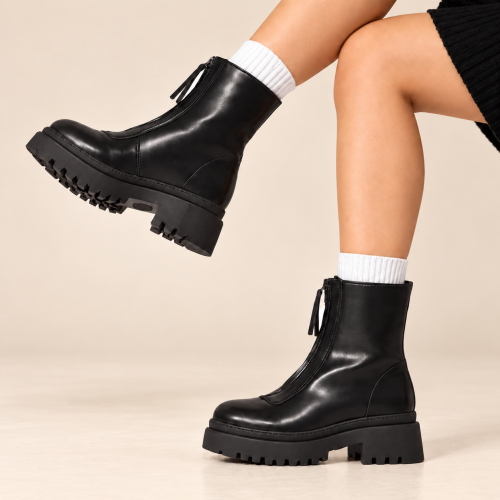
One type of sole is suitable for the city, another for dirt paths. If you run in different weather conditions, choose models with a reliable tread pattern and durable material. And for the cooler season, alongside running models, practical transitional boots can also be useful for walks after training.
Do technologies affect performance?
Modern footwear can help a runner feel more confident, keep comfort for longer and focus less on foot fatigue. But the result does not depend only on sneakers. Technique, training regularity, recovery, muscle condition and the right level of effort also matter.
A technological pair can be a good support, especially if it fits in size, shape and purpose. But even the most expensive sneakers will not be useful if they squeeze, rub or do not match your type of running.
How to choose running shoes
Before buying, think about where you will run: on asphalt, on a treadmill, in a park or on uneven terrain. For asphalt, cushioning and lightness are important; for uneven paths, grip and stability matter more; and for an active everyday rhythm, balance between softness and support is key.
Also pay attention to size. There should be a little space between the toes and the front of the shoe, because during running the foot can slightly increase in volume. If you need a universal pair for sports and walks, you can start with comfortable models from the footwear catalog, focusing on comfort, material and fit.
Advice from Happy Heels
Do not choose running shoes only by the name of the technology. What matters much more is how the specific pair feels on your foot. Try the sneakers on, walk a few steps, check whether the toe box squeezes, whether the heel slips and whether the sole feels soft enough.
For regular running, it is better to have a separate pair instead of using the same sneakers for every situation. This helps the footwear keep its properties longer, while the feet receive more correct support. A sporty wardrobe can be completed with comfortable women’s accessories for walks and active outfits.
Quick summary
- Modern technologies in running shoes help improve cushioning, fixation and stability.
- EVA, TPU, Pebax, Boost and Air make the sole lighter, softer or more elastic.
- Upper technologies help hold the foot better without unnecessary pressure.
- Insoles are important for comfort, moisture control and a soft feeling inside the pair.
- Good grip is essential for running on wet or uneven surfaces.
- Performance does not depend only on footwear, but the right pair helps make running more comfortable.
Conclusion
Modern running shoes combine design, materials and technologies that make movement more comfortable. Cushioning, lightness, fixation, stability and ventilation help the foot work more confidently, while the runner can focus less on discomfort.
But the best technology is the one that suits you personally. That is why running sneakers should be chosen not only by a fashionable name, but by feeling, fit and how comfortable it is to move in your own rhythm.