







A Shoe Wardrobe Without Chaos: The Pairs You Actually Need
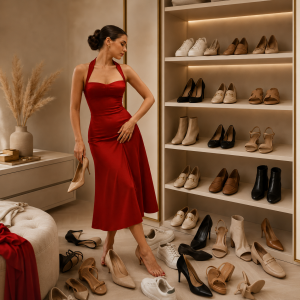
You probably know that morning feeling: the outfit is almost ready, but the right shoes are nowhere to be found. One pair rubs, another does not suit the weather, a third looks too dressy, and the most comfortable one does not match the clothes you chose. In the end, you have to change not only the shoes, but the entire outfit.
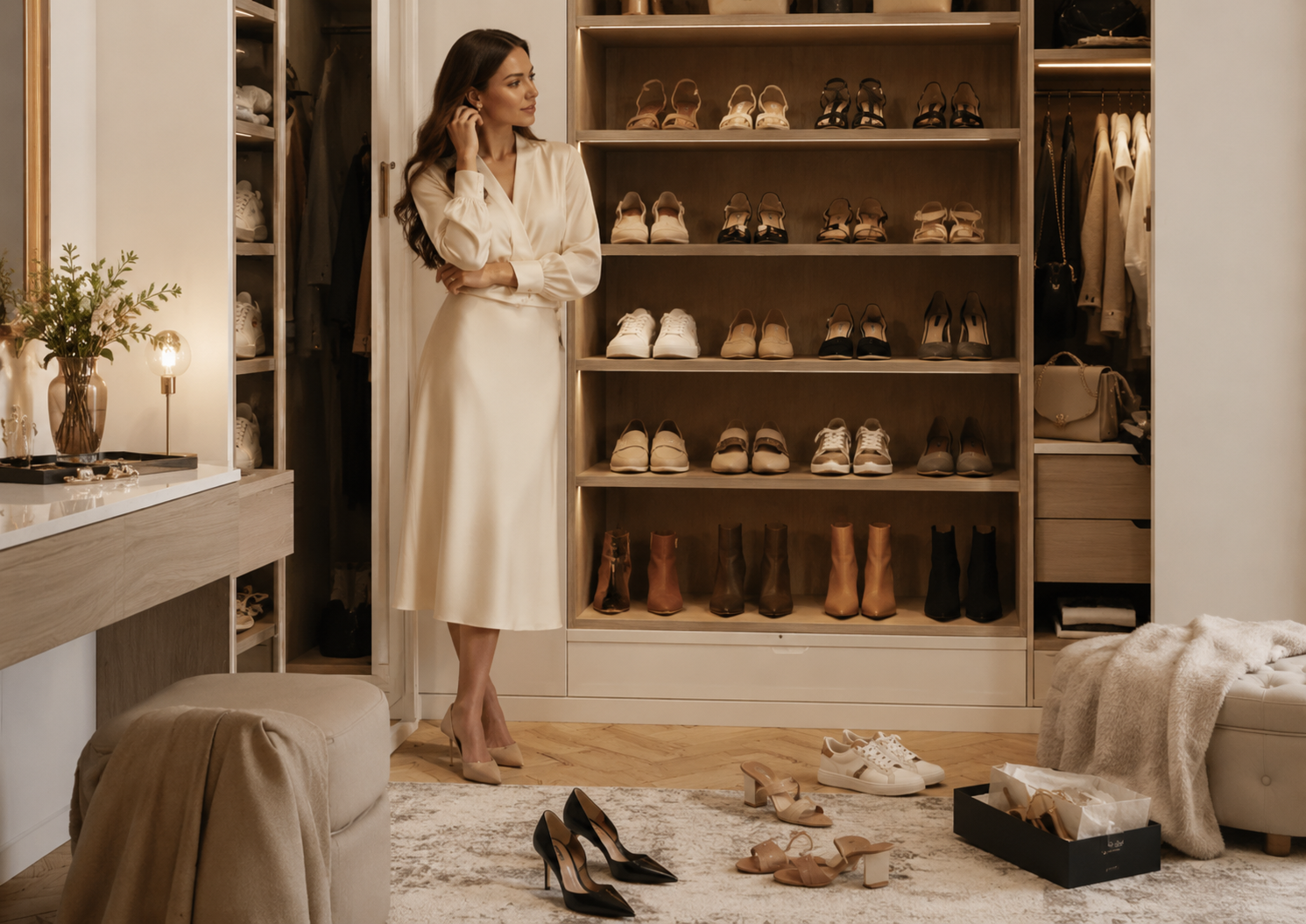
Most often, the problem is not that there are too few shoes. On the contrary, there may be many pairs, but they do not work together. Some were bought impulsively, others match only one look, and some are beautiful but uncomfortable. This is how shoe wardrobe chaos appears: the closet is full, but it still feels like there is nothing to wear.
The solution is a well-thought-out shoe wardrobe. This does not mean wearing only simple or boring models. It means having several universal pairs that suit different situations, seasons, and styles. Then the morning choice becomes easier, and outfits look more complete.
How to build a shoe wardrobe that works every day
A good shoe wardrobe is based not on quantity, but on logic. It should include a pair for active days, an option for the office, shoes for the warm season, a pair for cold weather, and something more elegant for special occasions. Each model has its own role, but at the same time works with many outfits.
When shoes are chosen this way, they stop being random purchases. They become part of a system: they help you create outfits faster, save time, and make your style feel more confident.
1. Sneakers — the universal pair for every day
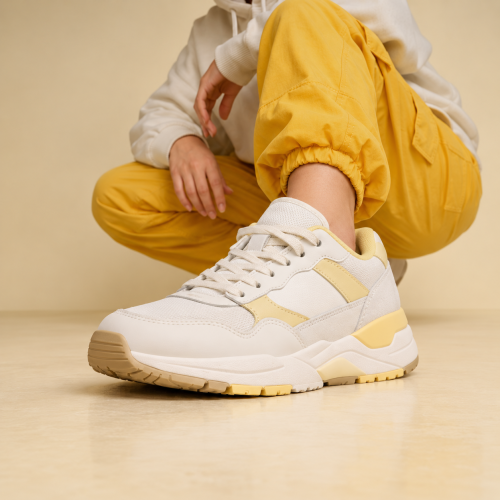
Modern sneakers have long moved beyond sports. Today, they are worn with jeans, dresses, skirts, suits, wide trousers, and even coats. They are one of the most practical pairs in a women’s wardrobe because they suit an active lifestyle.
For a basic wardrobe, it is better to choose sneakers in neutral colors: white, cream, beige, gray, or black. These shades are the easiest to combine with clothing and do not overload the outfit. Such a pair is suitable for walks, travel, shopping, informal meetings, or busy days when you need to move a lot.
It is important to pay attention not only to appearance, but also to fit. Sneakers should hold the foot well, should not rub the heel, and should not press the toes. If a pair is beautiful but uncomfortable, it will never become a real wardrobe base.
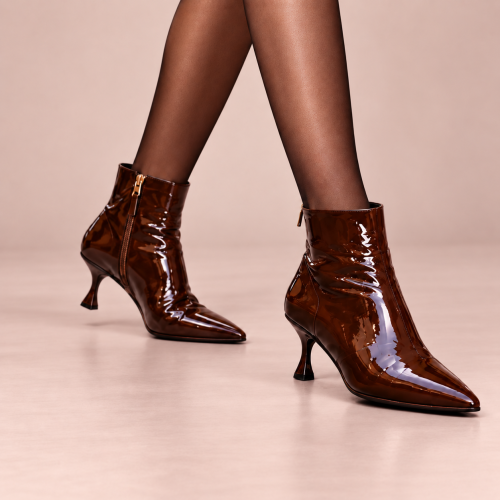
2. Classic shoes — for femininity and a polished look
Every wardrobe needs shoes that make an outfit more elegant. For this, classic shoes work beautifully: pumps, models with a stable heel, or neat pairs with a closed toe.
Black shoes pair well with office outfits, dresses, and evening looks. Beige or nude models visually lengthen the legs and look softer. If high heels feel uncomfortable for daily wear, choose a medium height or a stable shape that is easier to walk in.
Classic shoes do not have to be saved only for special occasions. A good basic pair can complete trousers, a midi skirt, a simple dress, jeans with a shirt, or a clean-cut suit.
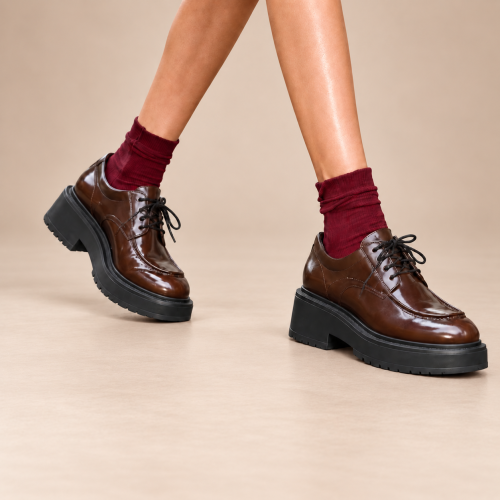
3. Loafers and moccasins — when you need comfort and a neat look
Sometimes sneakers feel too relaxed, while heels feel too dressy. In such situations, loafers and moccasins help. They look polished, but remain comfortable.
Loafers pair well with trousers, jeans, skirts, shirt dresses, and blazers. They add structure to an outfit without making it too strict. Moccasins look softer and are suitable for more relaxed city looks.
For a basic wardrobe, it is better to choose models made from smooth leather or good-quality eco-leather, without excessive decoration. Black, brown, beige, or burgundy shades are easy to include in everyday style.
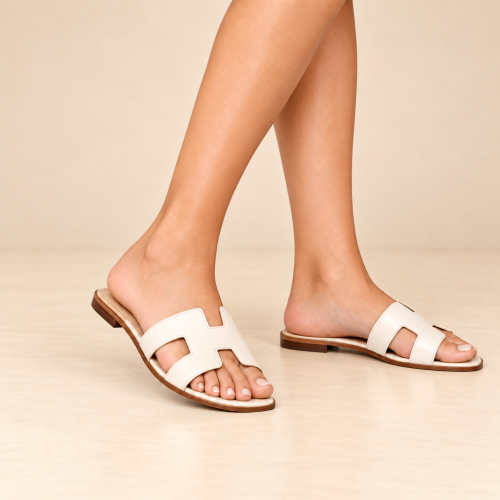
4. Summer shoes — lightness for the warm season
In summer, shoes should be not only beautiful, but also comfortable in hot weather. A basic wardrobe should include at least one open pair: sandals, light summer models, or neat flip-flops.
Sandals with a stable heel are suitable for summer evenings, dates, events, and outfits with dresses. Flat models are comfortable for walks, vacations, and everyday activities. Flip-flops should not be only beach-style; it is better to choose more urban versions too: leather, with a neat strap, or with a minimalist design.
If you often wear summer dresses, skirts, and linen trousers, it is also worth paying attention to espadrilles. They create a light vacation mood, but can still look appropriate in the city.
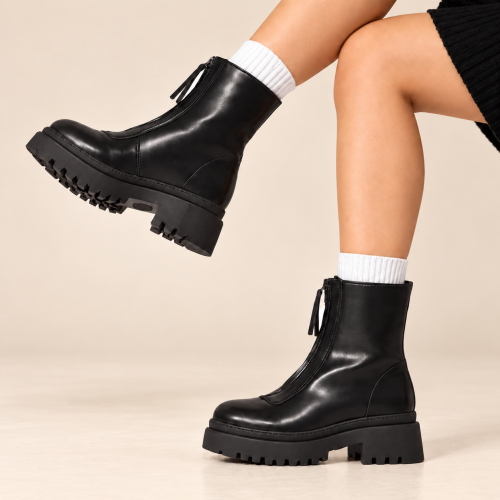
5. Transitional shoes — for changeable weather
In spring and autumn, it is especially important to have a pair that can handle cool weather, moisture, and long walks. This role is well played by transitional shoes: boots, closed sneakers, loafers with a thicker sole, or neat ankle boots.
Such shoes should work with jeans, trousers, coats, trench coats, and everyday dresses. It is better to choose calm colors and a stable sole. A sole that is too thin can be uncomfortable in cold or rainy weather.
If you need a universal pair, look at black or brown transitional boots. They suit most outfits and help during the period when light shoes are already too cold, but winter shoes are still too warm.
6. Winter shoes — warmth, stability, and style
In winter, shoes must be reliable. A beautiful appearance matters, but warmth, a comfortable fit, and a non-slip sole become the main conditions. A basic wardrobe should include one universal pair for everyday wear.
These can be knee-high boots, winter boots, or insulated models with a stable sole. They should work with a puffer jacket, coat, jeans, trousers, and dresses. Black, brown, beige, or dark gray are the easiest colors to include in a winter wardrobe.
If you want a more feminine option, you can add a second pair — for example, elegant boots for dry weather. But the main winter shoes should be practical, warm, and stable.
How to understand that you really need a pair
Before buying, ask yourself a few questions. What will I wear this pair with? Does it suit my lifestyle? Do I already have something similar? Can I walk in it for several hours without discomfort?
If a pair is beautiful but works with only one outfit, it will not solve the wardrobe problem. But universal shoes can work with dozens of looks and quickly become your favorite pair.
Advice from Happy Heels
Do not try to build the perfect shoe wardrobe in one day. Start with the most necessary pairs: comfortable sneakers, neat classic shoes, seasonal footwear, and one universal pair for every day. Then gradually add models that match your personal style.
The most important thing is to choose not only by trend, but also by comfort. Shoes should help you live more actively, move more freely, and feel more confident.
Quick summary
- A shoe wardrobe should be built on versatility, not quantity.
- Sneakers are needed for active days and everyday outfits.
- Classic shoes add elegance and suit more polished combinations.
- Loafers and moccasins help you look neat without heels.
- Each season needs its own practical and comfortable pair.
Conclusion
A shoe wardrobe without chaos is not a closet full of dozens of random pairs. It is a well-thought-out system where each model has its place and helps create different outfits without unnecessary effort.
When you have comfortable sneakers, elegant classic shoes, neat loafers, summer shoes, and a reliable pair for the cold season, choosing becomes easier. You spend less time in front of the mirror, feel less stressed, and more often feel that the outfit truly works.