







Can You Wash Shoes in a Washing Machine? Rules, Common Mistakes, and Safe Care
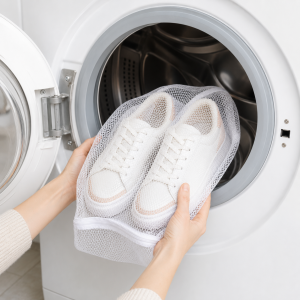
Shoes quickly collect traces of the city: dust, sand, rain marks, and odor after a long walk or workout. That is why the idea of simply putting sneakers into the washing machine feels so tempting. It seems like a quick solution: load the pair, choose a program, and the shoes look fresh again.
However, shoes are more delicate than regular clothing. Each pair has its own construction: upper material, lining, sole, glue, stitching and decorative details. Some materials can handle a gentle wash, while others may be damaged after just one cycle. That is why machine washing is suitable only for models that can tolerate water and do not have sensitive elements.
Let’s find out which sneakers, canvas shoes and textile models can be washed in a machine, how to prepare them properly and which mistakes should be avoided so that care remains truly safe.
When shoes can be washed in the machine and when it is better to avoid it
Machine washing can be a good option for shoes made from textile, mesh and durable synthetic materials. This usually includes lightweight canvas shoes, fabric slip-ons, some casual models and sport shoes without natural leather, suede or complicated decoration. These pairs release dirt more easily, dry faster and are less likely to lose their shape on a gentle cycle.
Still, even the right material does not always guarantee a good result if the pair is already damaged. If the sole is starting to come away, the seams are opening, the inside is cracked or the upper is badly worn, washing may only make the problem worse. In this case, it is better to repair the shoes first or choose manual cleaning.
Which materials do not tolerate machine washing well
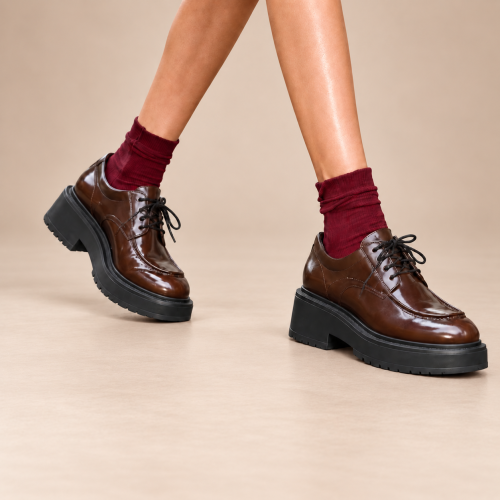
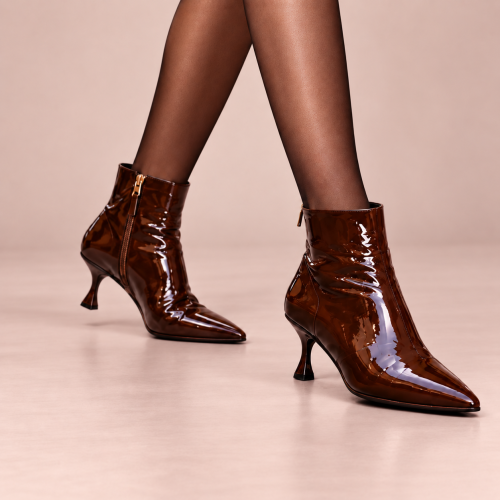
Natural leather, suede, nubuck and patent materials do not react well to long exposure to moisture. After machine washing, they may become stiff, develop stains, lose color or deform. Extra care is needed with shoes that have fur, thick lining, cork inserts, rhinestones, chains or glued decorative elements.
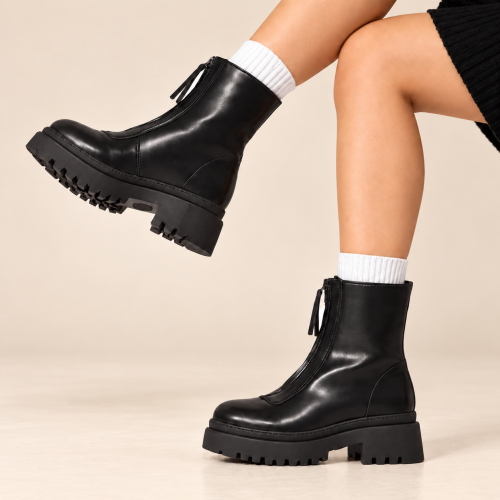
Winter footwear is also not the best candidate for the washing machine. Winter boots, lined boots and membrane models often have a multilayer construction. Water can get inside, dry slowly and leave an unpleasant smell. In addition, strong moisture can weaken the glue that connects the upper to the sole.
The safest guide is always the manufacturer’s recommendation. If the label says that machine washing is not allowed, it is better not to test the pair’s durability. For such shoes, manual cleaning or special products for the specific material are a safer choice.
How to prepare shoes before washing
Before putting shoes into the machine, they need to be prepared. First, remove the insoles and laces. The laces can be washed separately, while insoles are better cleaned by hand, especially if they have an anatomical shape, cushioning inserts or a glued base.
Then clean the sole. Small stones, soil, sand and dried mud often remain there. If you skip this step, dirt can get into the drum, filter or drain system, and sometimes it can also leave marks on the shoes themselves. The easiest way is to use a dry brush or a damp cloth.
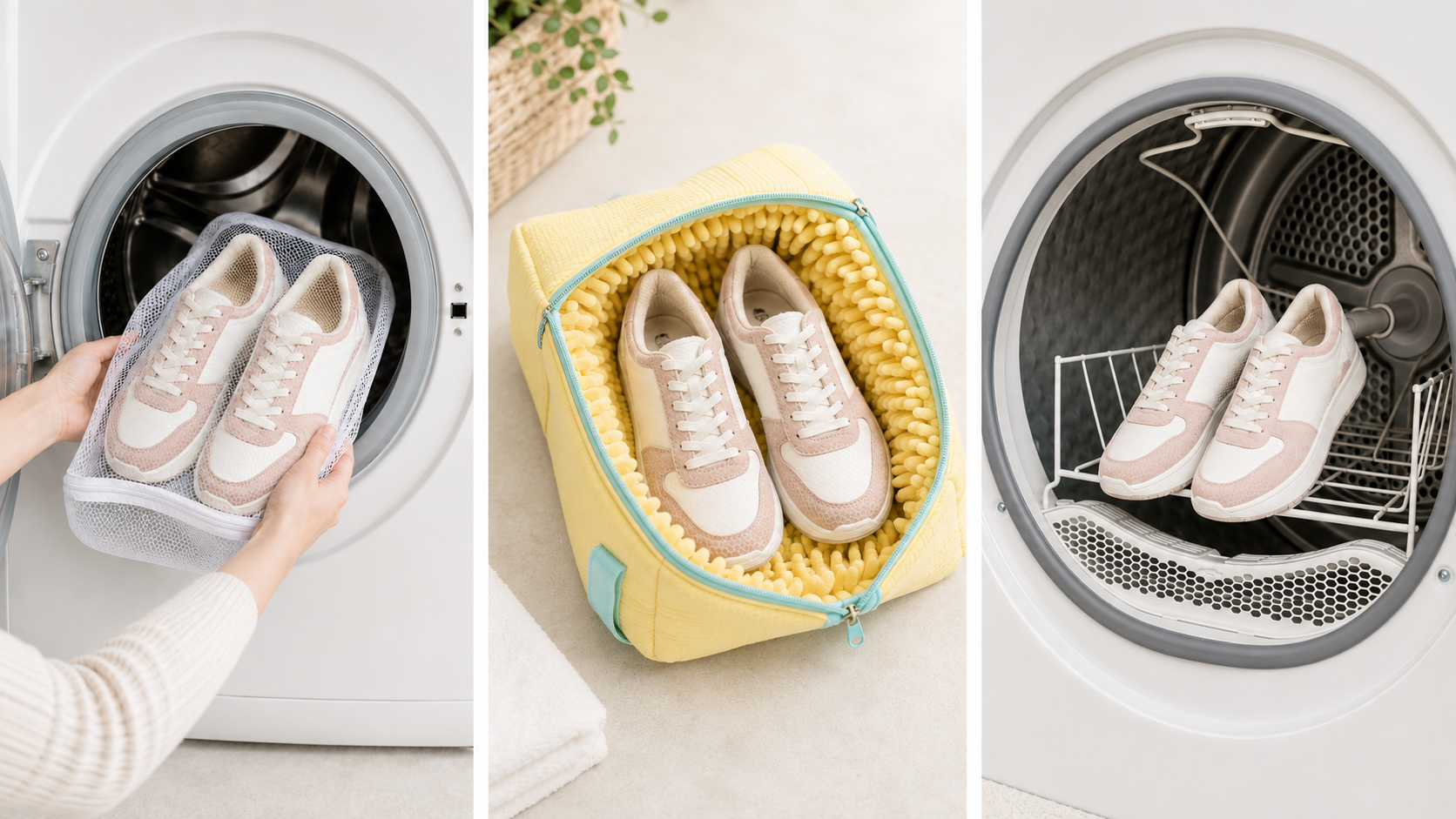
After that, place the pair in a special laundry bag for shoes. If you do not have one, use a thick pillowcase. For extra protection, you can add an old towel: it will soften the impact against the drum and help the machine work more smoothly.
Which cycle and temperature to choose
Only a gentle cycle is suitable for shoes. The water temperature should not exceed 30°C. Hot water can damage the glue, weaken the stitching, affect the shape of the sole and make some materials more rigid.
If your washing machine has a special shoe program, you can use it. If not, choose a delicate cycle. Spinning is better turned off or set to the lowest speed. Strong spinning is one of the most common reasons shoes deform and the drum is overloaded.
For washing, liquid detergent is the better choice. It rinses out more easily and is less likely to leave white marks on fabric. Bleach, aggressive powders and chlorine-based products should be avoided: they can damage color, mesh, decorative inserts and rubber details.
Special points when washing sneakers
Sneakers are the shoes that most often end up in the washing machine, because they are worn almost every day. We choose them for walks, trips, work, workouts and an active lifestyle. Because of this, dust, moisture marks and odor appear quite quickly.
Textile or synthetic sneakers can be washed on a gentle cycle if the manufacturer does not forbid this type of care. Still, it is not a good idea to load several heavy pairs into the drum at once. This is especially important for large models with massive soles, which hit the drum walls strongly during washing.
If the sneakers belong to the sport shoes category and have a membrane, suede inserts, natural leather, complex cushioning or reflective details, manual cleaning is safer. Such models need more precise care.
How to dry shoes after machine washing
Proper drying is just as important as washing. Shoes should not be placed on a radiator, dried with a hairdryer or left in direct sunlight. High temperature can deform the upper, overdry the material and weaken glued areas.
It is best to let the pair dry naturally at room temperature in a well-ventilated place. To help the shoes keep their shape, place white paper or paper towels inside. They will absorb moisture and help the upper avoid sagging. Newspapers are not the best choice because ink can stain the lining.
Laces and insoles should be dried separately and put back only after everything is completely dry. If you assemble the pair too early, moisture may remain inside and cause an unpleasant smell.
The most common mistakes when washing shoes
The first mistake is using water that is too hot. Sometimes it seems that hot water will remove dirt better, but for shoes this is risky. The material can shrink, glue can soften and the sole may start to come away.
The second mistake is intense spinning. Shoes should not go through the same cycle as towels or thick clothing. Strong rotation can damage both the pair and the washing machine.
The third mistake is washing without a protective bag. In this case, shoes constantly hit the drum and lose their shape faster. Another common problem is drying on a radiator. The pair may seem to dry quickly, but afterward it can become stiff, uncomfortable or deformed.
How to care for shoes between washes
Machine washing should not replace regular care. It is much better to clean shoes gradually: wipe the sole after rain, remove dust with a soft brush, air the pair after wearing and avoid leaving damp shoes in a closed wardrobe.
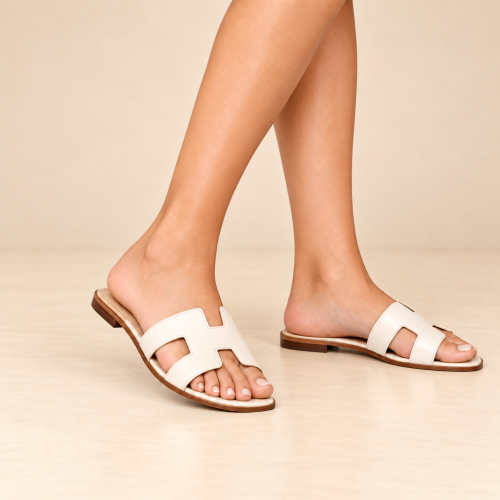
Open models, such as sandals, usually do not need machine washing. They are safer to clean by hand, because thin straps, buckles and decorative details may be damaged in the drum. For summer shoes, a soft cloth and a product suitable for the material are usually enough.
Advice from Happy Heels
If you are not sure whether a pair will survive machine washing, choose a gentler cleaning method. Manual cleaning takes more time, but it helps preserve the shape, color and material. The washing machine is suitable only for pairs that are truly designed for this type of care.
A good habit is not to wait until shoes become heavily dirty. If you clean them regularly after wearing, machine washing will be needed much less often, and your favorite pair will stay neat for longer.
Quick summary
- Only suitable textile and synthetic shoes can be washed in the machine.
- Leather, suede, nubuck, fur and patent materials are better cleaned by hand.
- Before washing, remove the insoles and laces, and clean dirt from the sole.
- The water temperature should not exceed 30°C.
- Spinning is better turned off or set to minimum speed.
- Shoes should dry naturally, without a radiator, hairdryer or direct sunlight.
Conclusion
Shoes can be washed in a washing machine, but only when the pair is suitable for this type of care. Textile canvas shoes, simple slip-ons and some sneakers can become visibly cleaner after a gentle wash. The main thing is to choose a low temperature, use a protective bag and avoid strong spinning.
For leather, suede, membrane materials, fur and damaged footwear, manual cleaning remains the safer option. The more attention you pay to the material and the manufacturer’s recommendations, the longer your shoes will keep their shape, comfort and neat appearance.