







How to Break In New Shoes and Avoid Blisters

Buying a new pair is always exciting, especially when the shoes are beautiful, stylish and match your wardrobe perfectly. But sometimes, after the first wear, it becomes clear that the pair presses, rubs the heel, squeezes the toes or causes pain while walking. As a result, even the most beautiful women’s shoes stay in the closet.
The good news is that new shoes can be broken in carefully. The main thing is not to use aggressive methods that can damage the material, shape or color. Comfortable shoes should bring joy, not blisters and pain.
In this article, we will explain how to break in new shoes at home, how to avoid rubbing and how to choose shoes so they feel comfortable from the first days.
Why new shoes rub
A new pair can rub for different reasons. Sometimes the material is still stiff and has not adapted to the shape of the foot. Sometimes the problem is in the seams, heel counter, narrow toe or tight fit around the instep.
It is also important to remember that the foot changes slightly during the day. In the evening, feet can swell a little, so shoes that seem comfortable in the morning may start to press later.
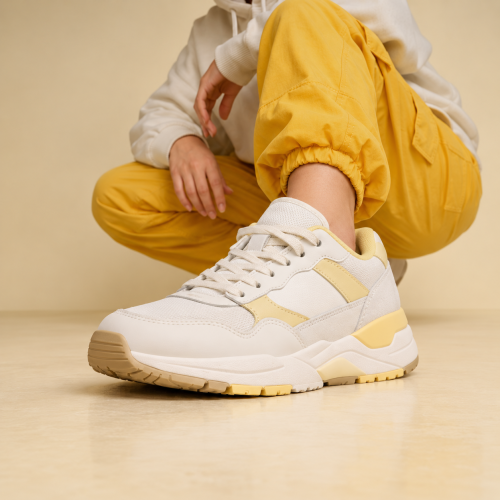
If you need shoes for everyday wear, choose a pair not only by appearance, but also by fit. For an active rhythm, sneakers, canvas shoes or soft models with a stable sole can work well.
How to know if shoes can be broken in
You can try to break in shoes that feel slightly tight but do not cause strong pain. For example, if the back part presses, one seam rubs or the material feels a little stiff, the situation can often be improved.
But if the pair is too small in length, the toes touch the front, the foot is strongly squeezed in width or walking hurts after a few minutes, it is better not to suffer. Such shoes can harm the foot and may never become comfortable.
Be especially careful with patent leather, textile and artificial materials. These materials stretch less and can lose their shape more easily.
Wear the new pair at home
The safest way is to break in shoes gradually at home. Put the pair on for 15–20 minutes and walk around the house. It is better to do this for several days in a row, slowly increasing the time.
If the shoes press a little, you can wear thin socks. For a stronger stretch, slightly thicker socks can help, but you should not tolerate strong pain.
This method helps the material gently adapt to the foot and does not damage the look of the pair. If after wearing them at home you still feel strong rubbing, it is better not to wear them outside for a full day.
Use plasters in advance
Do not wait until a blister appears. If you know that new shoes often rub your heel, the side of the foot or the toes, apply a plaster before leaving the house.
A plaster reduces friction and protects the skin. It is a simple way to wear new pumps, ballet flats, boots or sandals more comfortably and without pain.
You can also use gel cushions, silicone inserts and protective strips. These accessories help make shoes more comfortable and are especially useful for closed models.
Useful products for foot protection and care can be found in the women’s accessories category.
Silicone inserts and insoles
If shoes rub in one specific place, silicone inserts can quickly solve the problem. They can be placed on the heel counter, side area or under the toes to reduce pressure and friction.
Insoles help when the foot slides forward or when the shoes feel too hard. They make each step softer and help keep the foot better fixed inside the pair.
For pumps and ballet flats, it is better to choose thin inserts so they do not make the shoes too tight. For boots and sneakers, denser options can be used.
If you need extra softness, you can choose shoe accessories that help increase comfort every day.

Special shoe stretching sprays
One of the gentlest methods is to use a special shoe stretching spray. It helps the material become softer and adapt to the shape of the foot faster.
Usually, the product is applied to problem areas, and then the shoes are worn for some time. Still, it is important to read the instructions and consider the material. Not every product is suitable for suede, patent leather, textile or faux leather.
Before using a spray, it is better to test it on a small, less visible area. This helps avoid stains and color changes.
Home methods that are better to avoid
On the internet, people often recommend boiling water, alcohol, freezing, a hair dryer or even beer. But these methods can damage shoes. The material can crack, become stiff, lose color or deform.
Extreme temperatures are especially risky. Hot air and boiling water can damage the glue, sole and surface layer. Freezing is also not suitable for all materials.
It is better to choose gentle and safe methods: gradual wearing at home, plasters, gel inserts, insoles and special stretching products.
How to avoid blisters on the first day
Do not wear a new pair immediately for a long walk, workday or event. The first outing should be short. This way, you will understand where the shoes may rub and which areas need protection.
Take plasters, thin invisible socks or a backup pair with you if the day will be active. This is especially important if you are wearing new shoes or sandals.
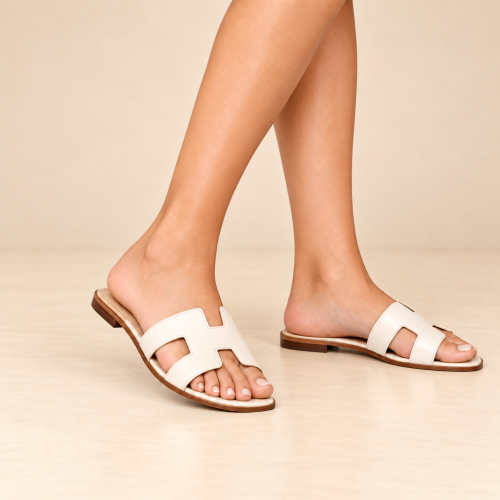
If the shoes are open, check the straps in advance. They should not cut into the skin. For the warm season, you can choose sandals with soft straps and a comfortable sole.
How to choose new shoes correctly
To avoid problems with breaking in shoes, it is better to choose the pair carefully from the start. Try shoes on in the second half of the day, when the foot is slightly larger after walking.
Check that the toes have enough space, the heel does not slip out and the shoes do not squeeze the instep. Take a few steps and pay attention to how they feel.
If the pair already presses in the store, it is not a good idea to hope it will quickly become comfortable. Good shoes for every day should feel comfortable from the first fitting or need only a light adjustment.
Tips
- Wear new shoes at home for 15–20 minutes at a time.
- Do not wear a new pair for a full day immediately.
- Use plasters before blisters appear.
- For stiff areas, use silicone inserts.
- If the foot slides, add thin insoles.
- Use shoe stretching sprays carefully.
- Do not use boiling water, alcohol or strong heat.
- Buy shoes in the second half of the day.
- Do not choose a pair that presses strongly during fitting.
- Choose comfortable shoes for your lifestyle.
Conclusion
New shoes can be broken in if they are only slightly tight or feel a little stiff. It is best to do this gradually and safely: wear them at home, use plasters, silicone inserts, insoles and special products.
You should not tolerate strong pain and hope that an uncomfortable pair will definitely become comfortable. Sometimes it is better to choose another model than to treat blisters later and regret the purchase.
When you know how to choose shoes and how to wear a new pair correctly, women’s shoes become not only beautiful, but truly comfortable for every day.