







How to Save Money When Buying Shoes Without Compromising on Quality: Useful Tips and Common Mistakes
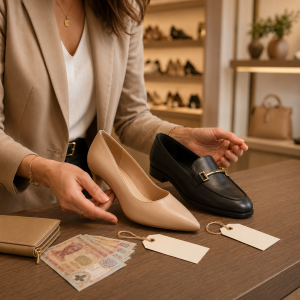
Buying shoes often seems like a simple decision: you like the model, the size fits, the price looks good — and the pair goes into the cart. But these quick decisions are often the ones that lead to unnecessary expenses. A pair bought on impulse may turn out to be uncomfortable, wear out quickly or not match your wardrobe at all. Instead of saving money, you end up needing another purchase after just a few weeks.
Saving money on shoes does not mean always choosing the cheapest option. It is much more important to buy wisely: understand what you really need, check the quality of materials, follow seasonal offers and avoid being tempted by every discount. This way, even basic shoes, sneakers or boots can serve longer and fit better into your style.
Let’s look at how to buy shoes more profitably, which models are worth getting on sale, when it is better to wait for discounts and which mistakes should be avoided so you do not end up paying twice.
Saving starts not with the price, but with understanding your real needs
The best purchase is not always the one with the biggest discount, but the one you will actually wear. Before choosing a new pair, ask yourself a few simple questions: what season do you need the shoes for, how often will you wear them, what clothes will they match and do they suit your lifestyle?
If you walk a lot, it is better to invest in comfortable sneakers or soft loafers than to buy a spectacular but uncomfortable pair just because it is cheaper. If you need shoes for the office or events, a universal model in a calm color will be more practical than a bright trend worn only once.
Build a basic shoe wardrobe
One of the best ways to save money is to create a small but well-planned base. It may include a comfortable everyday pair, elegant shoes, seasonal footwear, one sport model and a pair for special occasions. This approach helps you avoid unnecessary purchases and understand faster what is truly missing.
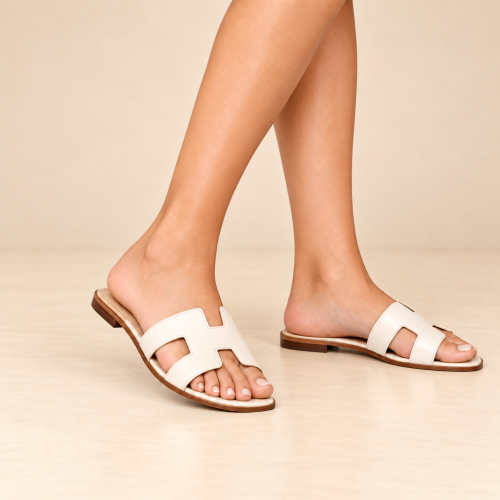
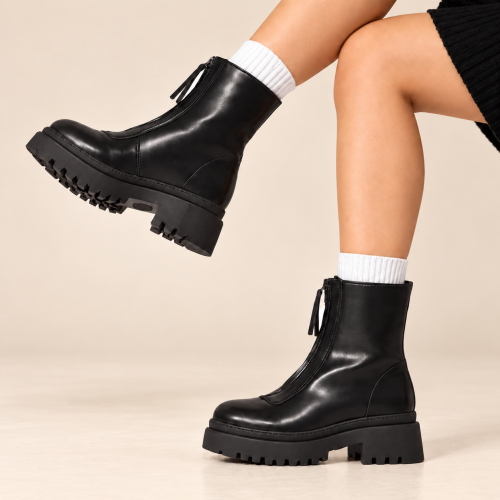
For example, for warm weather, lightweight sandals or elegant sandals are useful; for active days, sneakers are a smart choice; and for cold weather, reliable winter boots are essential. Once the base is already there, spontaneous purchases become less frequent because you can clearly see the full picture of your wardrobe.
Do not buy only because there is a discount
Sales can be a great opportunity, but only when you are buying something you actually need. A common mistake is choosing shoes only because the price is low, without paying attention to the fit, material or real usefulness. In the end, the pair stays in the box or is worn only a few times.
Before buying, ask yourself honestly: would you still buy this pair without the discount if you needed shoes right now? If the answer is no, maybe the attractive part is not the model itself, but only the price. This kind of saving is often just an illusion.
Buy seasonal shoes in advance
Shoe prices often depend on the season. Summer models are usually more affordable near the end of summer, while winter models can be cheaper at the end of the cold season or during the transitional period. At these times, stores renew their collections and offer good discounts on remaining sizes.
This strategy works especially well for basic models that do not go out of fashion quickly. Black boots, classic shoes, neutral canvas shoes or beige sandals can be bought in advance and worn confidently next season. The main thing is to choose shapes and colors that will stay relevant, not just a very short-lived trend.
Look at quality, not only appearance
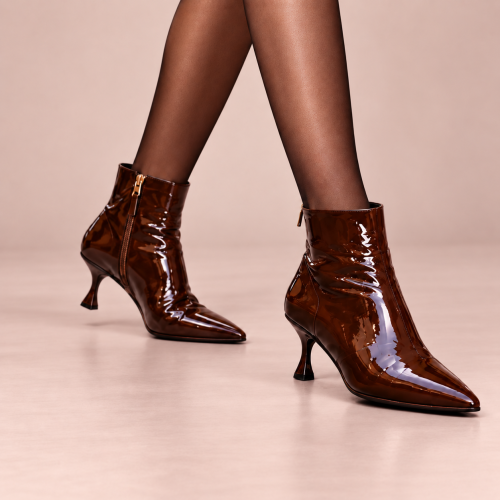
Beautiful shoes are not always high-quality shoes. Before buying, check the stitching, sole, insole, upper material and inner finishing. If glue is visible around the edges, the sole looks poorly attached or the material seems too thin, the pair may quickly lose its shape.
Sometimes it is more profitable to buy one better pair than two cheap pairs that wear out quickly. This is especially true for shoes you plan to wear every day. The more often you will wear the model, the more important a comfortable fit, durable sole and strong material become.
Choose colors that are easy to combine
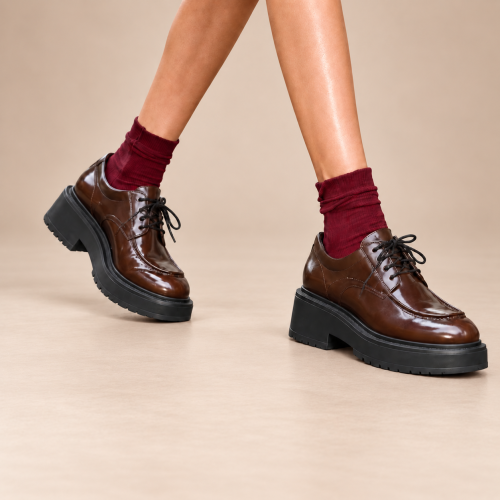
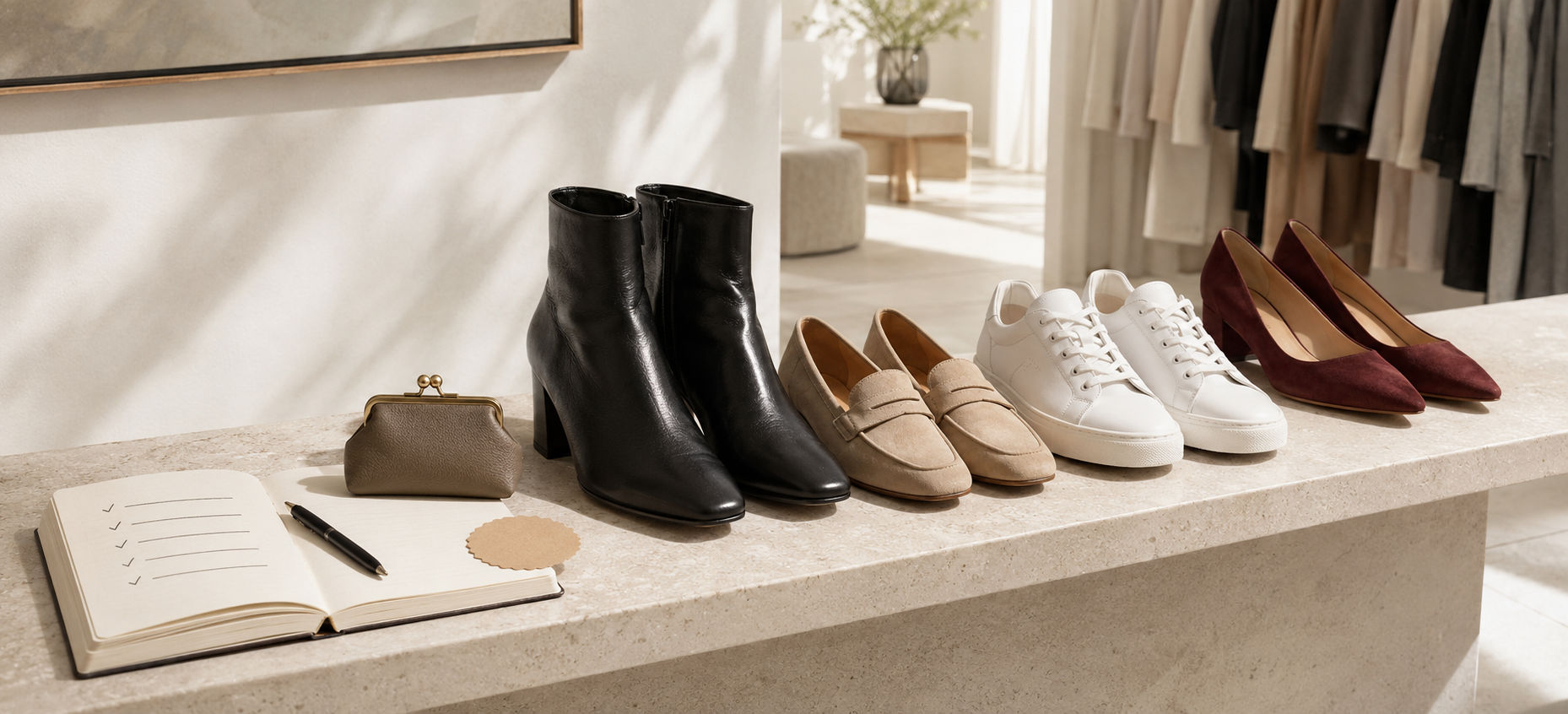
If your budget is limited, start with shades that are easy to match with your clothes. Black, beige, brown, ivory, gray and burgundy usually fit into a wardrobe more easily. Such shoes do not require complicated styling and can be worn with more outfits.
Colorful models can also be a successful purchase, but only if you know exactly what you will wear them with. Otherwise, an unusual shade may be beautiful but not practical. For accents, it is better to choose one expressive pair rather than several random ones.
Check the fit before buying
Even the best price does not matter if the shoes are uncomfortable. A pair should not squeeze the toes, rub the heel or slip while walking. It is better to try shoes on in the second half of the day, when the foot is slightly larger after activity.
If you are buying online, carefully check the size chart, material description and return conditions. Be especially careful with models that have a narrow toe, high heel or stiff last. The wrong size almost always turns a good discount into a wasted purchase.
Do not forget about care
Proper care extends the life of shoes and helps you save money in the long run. Even a high-quality pair can quickly lose its neat look if it is not cleaned of dust, dried correctly and protected from moisture. Care should match the material: leather, suede, textile and patent finishes all need different products.
For everyday shoes, it is useful to have a basic care kit: a soft brush, a cloth, protective spray, cleaning product and shoe shapers. These are small expenses that help shoes stay neat much longer. You can also complete your outfits with practical details from the women’s accessories category.
Compare not only the price, but also the cost per wear
Sometimes a more expensive pair is actually the better deal. If you wear the shoes often and they last for several seasons, the cost per wear becomes low. On the other hand, a cheap pair worn only twice because it is uncomfortable ends up costing more.
Before buying, think about how often you will wear the model. Basic shoes for work, walks or cold weather may deserve a bigger budget because they are used constantly. A very trendy pair, however, is worth buying only if it truly fits your style.
Common mistakes buyers make
One of the most common mistakes is buying shoes “for later” without a clear reason. Another is choosing a model only by the photo, without considering comfort and materials. Many buyers also choose the wrong size, hoping the shoes will stretch. Sometimes this happens, but more often the pair simply rubs and remains unworn.
Another mistake is saving too much on shoes that will be worn daily. Winter boots, comfortable sneakers and basic shoes should be reliable. It is better to save on a festive pair worn rarely than on footwear that affects your everyday comfort.
Advice from Happy Heels
Plan your purchases in advance. Make a list of the models missing from your wardrobe and follow them during seasonal sales. This way, you will buy not random pairs, but exactly what you need.
Do not forget about combinations. A new pair should match at least several things you already own: dresses, jeans, suits, bags or outerwear. If one pair of shoes requires changing your entire wardrobe, it is no longer saving — it is a new chain of expenses. In such cases, it is better to choose a more universal model and complete it with a suitable bag.
Quick summary
- Saving starts with understanding which shoes you really need.
- A discount is useful only if the model fits in size, style and quality.
- Basic colors and shapes last longer than random trends.
- For everyday wear, quality is more important than the lowest price.
- Proper care helps shoes last longer.
- Before buying, consider not only the price, but also how often you will wear the pair.
Conclusion
You can save money on shoes without compromising quality if you choose consciously. There is no need to chase every discount. It is more important to understand which models you truly need, which materials will last longer and which colors will match your wardrobe.
Good shoes are not always the most expensive pair, but they are not always the cheapest either. They are a balance of quality, comfort, style and practicality. When you buy with real wear in mind, care for your shoes properly and avoid impulsive decisions, every pair works for your wardrobe much longer.