






Neurosensory footwear: how a sole with soft textured nodes mimics barefoot walking and helps feet move more naturally
A technology that makes each step not only softer, but also more aware
Neurosensory shoes are a new direction in everyday and sports footwear design. The focus is not only on appearance, cushioning, or lightness, but also on how the foot feels every step. The main idea is simple: the sole should gently stimulate the receptors in the foot, helping the body feel support, balance, and movement more clearly.
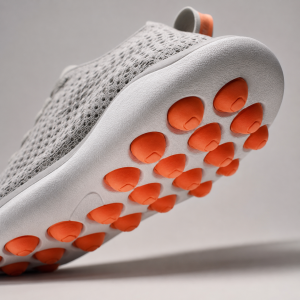
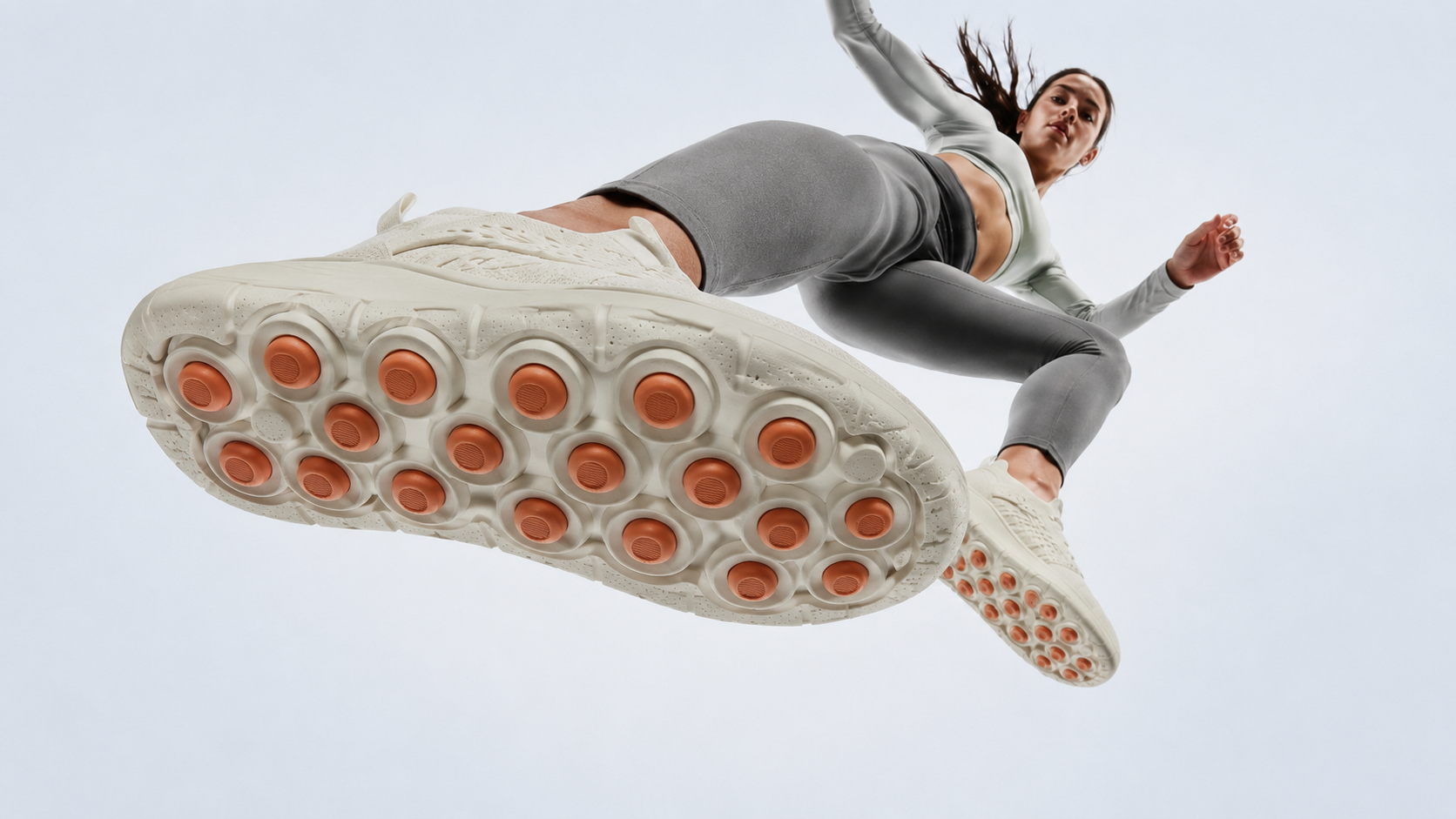
Unlike a regular sole, which often simply separates the foot from the ground, a neurosensory sole works differently. It may have soft rounded elements, small foam bumps, or raised points placed on the outsole or inside the shoe. While walking, these elements create gentle pressure on different areas of the foot and remind the body of the sensation of walking barefoot on a soft, uneven surface.
For people looking for comfortable shoes and a more natural walking experience, this technology is interesting because it goes beyond classic comfort. It does not fully replace barefoot walking, but it can offer a more practical urban version for those who want their feet to stay more active throughout the day.
What are neurosensory shoes in simple words?
The term may sound complex, but the idea is easy to understand. Neurosensory shoes are designed to help the foot receive more tactile signals while walking. In other words, the sole is not just a flat layer between the foot and the ground, but a surface that gives the body more information.
The sole of the foot has many sensitive receptors. They help the body understand where the support is, how weight is distributed, and how stable each step feels. When a sole is very thick and rigid, some of these signals are reduced. When the sole is more flexible, responsive, and gently textured, the foot can feel more.
That is why these models are often compared with barefoot walking. The difference is that true barefoot walking gives direct contact with the surface, while neurosensory shoes try to create a similar feeling while still keeping the protection and practicality of shoes made for the city.
How a sole with soft bumps works
A sole with soft bumps creates gentle stimulation of the foot with every step. These small elements can compress, spring back, and distribute pressure differently across the sole. Because of this, walking does not feel flat, but more dynamic and natural.
During walking, the foot goes through several phases: the heel touches the ground first, weight moves toward the middle of the foot, and then shifts forward to the toes. If the sole is flexible and has a soft texture, the foot receives extra signals at each stage of the movement.
This can make walking feel more interesting and may help the body become more aware of balance. The important thing is that the stimulation should be gentle. The goal is not an aggressive massage effect, but a soft activation of the foot during everyday movement.
Why this technology is compared with barefoot walking
Barefoot walking is often seen as more natural for the foot because it involves small muscles, helps the body feel the surface, and requires more active adaptation with every step. In real city life, however, walking barefoot is not practical or safe. That is why many footwear technologies try to find a balance between protection and freedom of movement.
A neurosensory sole moves in exactly this direction. It does not turn the shoe into a fully barefoot model, but it adds a more natural sensation. The foot does not simply rest passively on a completely smooth sole. It interacts with a soft texture that can remind you of walking on sand, grass, or a gentle stimulation mat.
If you are interested in freer movement, you can also look at models from the sport shoes category, flexible sneakers, or other lightweight shoes. What matters is not only how a pair looks, but also how it feels when you walk in it.
Who might benefit from this type of footwear?
Neurosensory shoes may be interesting for people who walk a lot and want to feel foot support more clearly throughout the day. They may suit those who feel tired in very rigid shoes or those who enjoy a more active sensation while walking.
These models can be a good choice for walks, light activity, active city days, travel, and moments when you want comfort without the feeling of heavy footwear. They may also be interesting for people who have already tried very flexible shoes or models with a more anatomical shape.
Over time, similar ideas may appear not only in sports styles, but also in canvas shoes, casual models, summer footwear, and even hybrid designs between sport and urban fashion. This makes the technology easier to integrate into an everyday wardrobe.
How neurosensory shoes differ from regular sneakers
Classic sneakers are usually designed around cushioning, stability, low weight, and appearance. Neurosensory shoes add another dimension: the way the sole communicates with the foot. It is not only about making the step softer, but also about making walking more aware.
In many classic models, the sole is very soft and thick. This can feel pleasant, but it can also reduce the sensation of contact with each step. In neurosensory footwear, the soft bumps and raised texture give the foot more information without completely giving up comfort.
In short, a regular sneaker answers the question: “How can we make the step more comfortable?” Neurosensory footwear also asks: “How can we make the step feel more natural, responsive, and alive?”
The advantages of a neurosensory sole
The biggest advantage of this technology is that it brings the foot closer to the real sensation of movement. The shoe does not only protect against the ground. It also helps the body perceive walking more clearly. For many people, this can mean a more natural step and a better connection with their own body.
- the foot receives more tactile signals;
- walking may feel more responsive and natural;
- the sole may help improve awareness of balance;
- the model can suit walks and an active city rhythm;
- the soft texture can create a pleasant stimulation effect;
- the design looks modern and different.
For people who usually choose shoes only by color or shape, this approach adds a new perspective. It is not only about how shoes look, but also how they interact with the foot with every step.
Are there any disadvantages?
Yes, and that is normal. Not every technology suits everyone in the same way. If you have very sensitive soles, discomfort from pressure, frequent pain, or certain medical limitations, it is better to be more careful and not choose only because the concept sounds interesting.
It is also important to adapt gradually. Even a soft texture can feel unusual if you have worn only flat and uniform soles before. The first wears should be shorter, so you can understand whether the sensation is truly comfortable.
Another thing to remember is that this pair does not have to replace all the shoes in your wardrobe. Different situations require different footwear: rain, office days, events, travel, summer, or long walks. A neurosensory pair can be an interesting addition, but it should not be seen as a universal solution for every occasion.
How to choose the right pair
If you want to try this technology, start with the fit. The shoes should sit well on the foot, should not squeeze the toes, and should not press unpleasantly on the instep. The soft points should feel interesting and pleasant, not aggressive.
Check the flexibility of the sole too. If it is too rigid, the idea of natural movement is lost. If it is too soft and lacks support, it may not be suitable for everyone. The best option is a balance between flexibility, stability, and light cushioning.
The upper material also matters. If the model is meant for daily wear, the upper should not only look good, but also feel comfortable. For the warm season, you can consider models from the summer shoes category, while for active city walking, closed and flexible styles may be more practical.
How to wear neurosensory shoes in everyday life
The easiest way is to use this pair for walks, active days, and relaxed outfits. It works well with jeans, sporty trousers, soft casual suits, T-shirts, loose shirts, and knitwear.
If the footwear design looks futuristic, balance it with simpler clothing. This way, the shoes become the accent of the outfit without making the whole look too busy. For example, a pair with a textured sole can look good with straight jeans, a white T-shirt, and a relaxed blazer.
If the model is more minimalist, it can easily replace regular sneakers in a daily wardrobe. The important thing is not to see this pair only as a technological experiment, but as a modern option for days when you want movement, comfort, and a current look.
Common mistakes when choosing technological footwear
The first mistake is buying the pair only because the sole looks unusual. The technology is interesting, but if the shape, size, or width does not suit your foot, real comfort will not happen.
The second mistake is expecting a dramatic effect in the first few minutes. Neurosensory footwear works mostly through subtle sensations. Sometimes its advantages become clearer after a few easy walks, not during a quick try-on.
The third mistake is wearing it for a full day right away. If you are not used to a textured sole, it is better to let the foot adapt gradually. This will help you understand whether the technology really suits you.
The fourth mistake is believing that one “smart” pair can solve everything. Even the most interesting sole cannot replace the right size, good materials, and a shape that fits your foot.
Why it matters that the foot receives signals
The foot is not just the body’s support. It participates in balance, weight distribution, and coordination. When shoes cancel out almost all sensation, the body receives less information. This is not always a problem, but many people feel that they are missing that natural connection between the step and the surface.
This is where neurosensory shoes become interesting. They remind us of something important: comfort does not only mean softness. Sometimes comfort means that the step feels more natural, the body is more aware of support, and movement feels freer.
That is why, whether you choose sporty models or pairs from the loafers and moccasins category, it is worth paying attention not only to the trend, but also to what you actually feel while walking.
FAQ: common questions about neurosensory shoes
Are neurosensory shoes the same as barefoot shoes?
Not exactly. Barefoot shoes usually focus on minimalism, flexibility, a wider toe box, and a more direct ground feel. Neurosensory shoes may have a more visible sole, but add soft points or texture for gentle foot stimulation.
Can they be worn every day?
Yes, if the size is correct, they do not cause discomfort, and they suit your lifestyle. Still, if you are not used to this type of sole, it is better to adapt gradually.
Can they help with tired feet?
They can make walking feel more pleasant and interesting, but they are not a medical solution. If you often have pain or persistent fatigue, the cause should be checked separately.
Are they suitable for sports?
It depends on the model. Some versions are designed for walking, light activity, and everyday movement, while others may be made for training. It is important to check the purpose of each pair.
How do I know if a sole with soft bumps suits me?
During try-on, the sensation should be pleasant and gentle. There should be no pain, unpleasant pressure, or desire to take the shoes off immediately. A good sign is when you feel the texture, but your feet do not get tired quickly.
Conclusion: comfort is becoming smarter
Neurosensory shoes show how our understanding of comfort is changing. Today, it is no longer only about appearance, cushioning, and lightness, but also about the connection between the foot, movement, and sensation. A sole with soft bumps tries to imitate part of the barefoot walking experience and help the feet work more naturally.
For walks, active days, and people who want to feel their steps more clearly, this technology can be very interesting. But as with any pair of shoes, the most important thing remains the same: not the idea itself, but how well the specific model suits your feet, your lifestyle, and the way you move every day.