






What Shoe Labeling Reveals: How to Read the Label Before Buying
The details on the box and inside the pair that help you choose shoes without disappointment
Buying shoes often seems simple: you like the model, the size looks right, the color works — and the decision is made. But after the first walk, you may discover that the pair squeezes the toes, rubs the heel, does not support the foot properly, or quickly loses its shape. Very often, the problem is not that the shoes are “bad”, but that we choose them only by appearance and size, without reading the marking.
Shoe marking is not a random set of letters, numbers, and symbols. It can contain important information: size system, width, upper material, lining, insole, sole type, country of production, and sometimes the purpose of the model. Once you learn how to read these details, choosing comfortable shoes becomes much easier.
This is especially useful when shopping online, when you cannot try the pair on immediately. It matters when you are looking for summer shoes, as well as when you need a comfortable pair for everyday wear, office outfits, walks, or the cold season.
What is shoe marking and why does it matter?
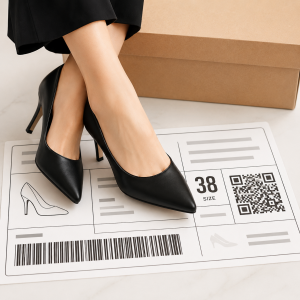
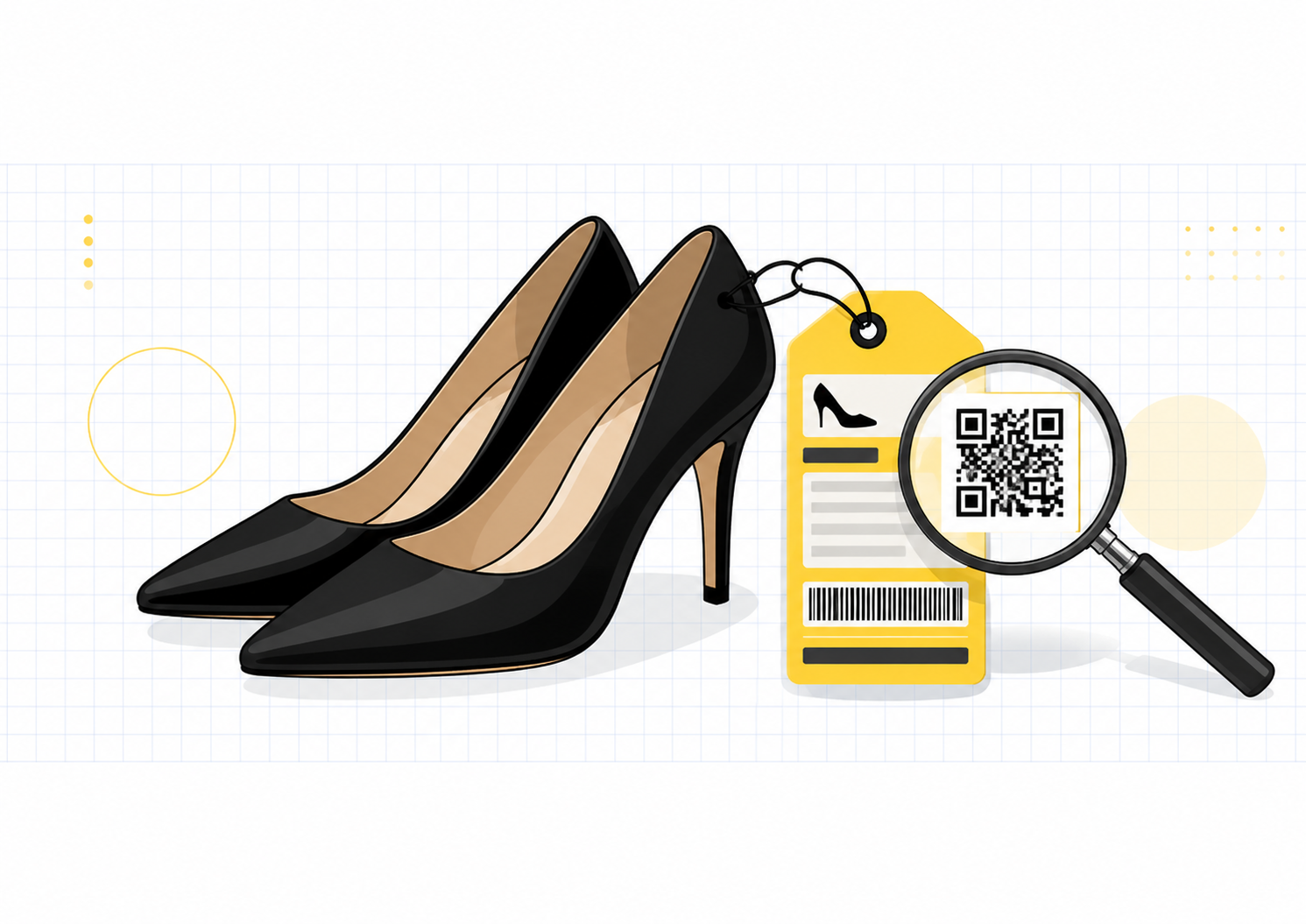
Shoe marking is the information that the manufacturer places on the box, label, insole, outsole, tongue, or inside the shoe. These details help you understand what the pair is made of, what size it is, what foot shape it is designed for, and how comfortable it may be for you.
At first glance, this information may seem technical and difficult to understand. In reality, it answers very practical questions: will the foot breathe, is the model suitable for a wider foot, is the material too stiff, how long will the pair keep its shape, and can it be worn every day?
If you are choosing elegant shoes, the marking helps you understand the upper and inner materials. If you are looking at sneakers, it is worth checking the sole and internal materials. If you are choosing knee-high boots or winter models, the lining, insulation, and width become especially important.
Size: why one number is not enough
Size is the easiest part of shoe marking to understand, but it does not always guarantee the right fit. Different systems may appear on footwear: EU, UK, US, or CM. The European system is familiar to many shoppers, while the centimeter marking usually shows the foot length or insole length.
The problem is that the same size can feel different from one brand to another. One pair in size 38 may feel loose, while another may press around the toes. This depends on the last, width, toe shape, material, and type of footwear.
That is why, when choosing a pair, you should not rely only on the number. Measure your foot length in centimeters and compare it with the brand’s size chart. Do not choose only by your usual size, especially if the model has a pointed toe, a rigid shape, or a closed front.
Shoe width: the detail many people ignore
Width, sometimes also called fullness, means the volume of the shoe around the toes, instep, and arch area. Two women may wear the same size in length, but one will feel comfortable while the other will feel pressure. Very often, the difference comes from width.
In some systems, width is marked with letters. You may see markings such as F, G, H or B, D, E, EE. In general, narrow markings are intended for slimmer feet, standard markings for medium width, and extended markings for wide feet or a high instep. Still, exact values can vary depending on the country and manufacturer.
If you have a wide foot, bunions, toes that often feel squeezed, or shoes that press from above, look for models with a more relaxed last. For everyday wear, styles like loafers and moccasins, soft boots, or shoes with a rounded toe can often be more comfortable than very narrow models.
The last: why “the size is right, but the shoe is not mine”
The last is the form on which the shoe is created. It determines how the pair sits on the foot: how much space the toes have, how the heel is held, whether there is room for the instep, and how pressure is distributed while walking.
Even if the size is correct, the shoe may not fit because of the last. A narrow, elegant last can look beautiful, but it may squeeze a wider foot. A more anatomical or rounded last can be more comfortable for long walking, even if it looks less strict.
This is especially important for everyday shoes. If you plan to wear the pair for many hours, do not choose only by appearance. During try-on, notice whether there is pressure near the little toe, whether the toes touch the front, whether the heel lifts, or whether you immediately want to take the shoes off. A good last should not require a long and painful break-in period.
Upper material: how to understand what the shoes are made of
The upper material affects appearance, durability, softness, and how well the shoe adapts to the foot. In shoe marking, it can be shown through words, abbreviations, or pictograms.
- Leather, LEA, LTH — genuine leather.
- Suede — suede.
- Nubuck — nubuck.
- Textile, TEXT — textile material.
- PU — polyurethane, artificial leather.
- Synthetic, SYN — synthetic materials.
- Rubber, RUB — rubber.
Genuine leather usually adapts better to the shape of the foot, lasts longer, and looks noble with proper care. Suede is soft and expressive, but needs protection from moisture. Nubuck has a matte, elegant look, but also requires care. Textile materials are lighter and often suitable for warm weather, while synthetic materials can be practical but may breathe less.
If you are choosing sandals, check that the straps are not too stiff. For closed shoes, it is important that the material does not create strong pressure around the toes. For transitional-season models, choose materials that keep their shape and suit the weather.
Lining and insole: hidden details that affect comfort
Shoppers often look at the outer material but forget about the inside. Yet the lining and insole are the parts that touch the foot throughout the day. They affect whether the foot overheats, whether friction appears, how soft the step feels, and how quickly the pair wears out from the inside.
In shoe marking, you may see the following terms:
- Leather lining — leather lining.
- Textile lining — textile lining.
- Synthetic lining — synthetic lining.
- Wool lining — wool lining.
- Fur lining — fur lining.
- Memory Foam — a soft insole that adapts to the shape of the foot.
For summer shoes and closed models, the inside should feel pleasant against the skin and should not cause friction. For winter footwear, insulation matters, but there should also be enough space for socks. If the pair already feels tight during try-on, it will become even less comfortable with thicker socks.
The sole: what you can understand from the marking
The sole affects stability, flexibility, shoe weight, and grip. On the label or in the product description, you may see abbreviations such as EVA, TPR, PU, Rubber, and others.
EVA is a lightweight foam material often used in sports and comfort footwear. TPR means thermoplastic rubber, a flexible and practical material. Rubber usually provides good grip. PU can be used both for the sole and the upper, so it is always important to look at the context.
For everyday shoes, the sole should be not only attractive but also stable. A sole that is too smooth may slip, one that is too rigid may tire the foot, and one that is too heavy may make walking feel less natural. This is especially important when choosing transitional boots and closed city footwear.
Pictograms on shoes: how to read the symbols
Shoe labels often use not only words but also symbols. Usually, they show what three parts of the shoe are made of: the upper, the lining with insole, and the sole.
The most common symbols are:
- upper symbol — shows the outer material;
- inside symbol — refers to the lining and insole;
- sole symbol — shows the material of the lower part;
- animal hide symbol — genuine leather;
- diamond — artificial or synthetic material;
- woven pattern — textile.
These symbols are especially useful when there is little text on the label. For example, a pair may look like leather, but the marking may show that it is made from synthetic material. Or the opposite: a simple-looking pair may have genuine leather lining, which improves comfort.
Why marking matters so much when shopping online
In a physical store, you can try on the pair, walk for a few minutes, and feel the fit. Online, you do not have this option, so marking becomes one of the most important sources of information. It helps you understand in advance whether the model is likely to suit your foot.
Before ordering, check four things: the size chart, upper material, lining, and shape of the model. If the shoe has a narrow toe, do not choose a size that is already “just enough”. If the material is rigid, do not assume it will soften quickly. If you have a wide foot, look for width information or choose models with a more relaxed shape.
It is especially important to be careful when choosing shoes for long wear: office shoes, everyday boots, summer sandals, knee-high boots, or sporty styles. In these cases, a mistake in size or material becomes noticeable very quickly.
How to tell useful marking from marketing
Not every beautiful phrase in a product description truly helps you choose. Expressions like “premium quality”, “soft comfort”, or “perfect fit” sound good, but they do not explain anything specific. Useful marking is always concrete.
A good description answers clear questions:
- what the upper is made of;
- what material is used inside;
- what type of sole the pair has;
- whether there are any special features of the last;
- whether the model suits wide or narrow feet;
- which season the footwear is designed for.
If the information is too limited, it is better to ask before buying. This is especially important if you are choosing shoes not for one evening, but for regular wear.
Common mistakes shoppers make
The first mistake is looking only at size. The number matters, but without width, last, and material, it does not guarantee comfort.
The second mistake is not reading the composition. Artificial leather can look similar to genuine leather from the outside, but it behaves differently when worn. The same applies to the lining and insole.
The third mistake is hoping that uncomfortable shoes will “stretch out”. Sometimes genuine leather adapts slightly, but if the shoe strongly squeezes, presses the toes, or rubs during try-on, it is better not to risk it.
The fourth mistake is ignoring the season. Summer shoes should be light and should not overheat the foot. Winter shoes should leave room for insulation. Transitional footwear should handle moisture and active wear.
Advice from Happy Heels
Before buying, look at shoes as a system, not only as a beautiful picture. Size, width, upper material, lining, insole, and sole all work together. If even one element does not suit your foot or lifestyle, the pair can become uncomfortable.
For everyday shoes, choose models that feel good from the first day. For an elegant pair, you may accept a little less practicality, but even occasion shoes should not cause pain. A good choice means a pair that looks beautiful, has clear material information, and feels comfortable in movement.
FAQ: common questions about shoe marking
Where can I find shoe marking?
Usually, it is placed on the box, label, inside the shoe, on the insole, tongue, or outsole. In online stores, this information should be included in the product description.
What is more important: size or width?
Both are important. Size refers to length, while width refers to volume and foot shape. If the size is correct but the width is wrong, the shoes may still squeeze or slip.
How can I understand if shoes are made from genuine leather?
Look for markings such as Leather, LEA, LTH, or an animal hide pictogram. Still, read the description too, because the material may be coated leather or a combination of different materials.
What does the diamond symbol on a shoe label mean?
Usually, the diamond indicates artificial or synthetic material. It may refer to the upper, lining, or sole, depending on which part of the shoe the symbol is placed next to.
Should I read the marking when buying sandals?
Yes. In sandals, the strap material, insole, sole, and foot fixation are especially important. Even open shoes can rub if the straps are stiff or the last does not suit your foot.
Quick summary
- Shoe marking helps you understand the size, materials, width, and special features of the pair.
- One size number does not guarantee comfort without the right last and width.
- The upper material, lining, and insole affect comfort as much as design does.
- When shopping online, marking should be read especially carefully.
- The best choice is footwear that suits not only your style, but also the real shape of your foot.
Conclusion
Shoe marking hides more useful information than it may seem at first. It helps you understand what the pair is made of, how well it may suit your foot, whether it will be comfortable during the day, and how it may behave when worn.
If you read the label carefully, buying shoes stops being a lottery. You begin to choose not only a beautiful model, but a pair that truly suits your lifestyle, the season, your foot shape, and your expectations of comfort.