






New Shoes Rub: What to Do and How to Avoid Blisters
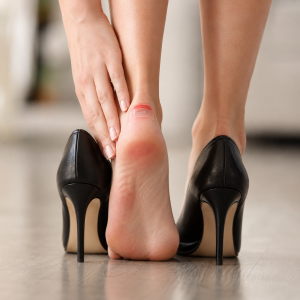
New shoes often bring joy only until the first long walk. In the store or at home, the pair may seem beautiful and comfortable, but after a few hours unpleasant feelings can appear: rubbing at the heel, pressure on the sides, painful toes, or redness in areas of friction. Instead of confidence and a stylish look, you get blisters, tired feet, and the desire to take the shoes off as soon as possible.
Many women face this problem. High heel shoes, sandals, boots, knee-high boots, ballet flats, and even sneakers can rub. Sometimes the reason is the wrong size, and sometimes it is a stiff heel counter, a narrow toe box, seams, material, or the individual shape of the foot.
The good news is that this problem can be solved. It is important to understand why shoes rub, how to prepare a new pair for wearing, and how to choose shoes so they are not only beautiful, but also comfortable. Real comfortable shoes should help you move easily, not cause pain.
Why New Shoes Rub
A new pair of women's shoes can rub for different reasons. The most common one is the wrong size. If the pair is too small, it squeezes the foot, toes, and heel. If it is too big, the foot slides inside, and the friction becomes even stronger.
Another reason is stiff material. New leather, eco-leather, or dense textile does not always adapt to the shape of the foot right away. The heel area often rubs the most because it touches the sensitive skin at the back of the foot with every step.
Sometimes the problem is the shape of the shoe. A narrow toe box can press on the toes, an unsuitable fit can squeeze the top of the foot, and hard seams can rub on the sides. Discomfort can also become stronger in the evening, when the feet swell slightly after walking, heat, or standing for a long time.
Where Shoes Usually Rub the Most
Shoes can rub in different areas. If the problem appears at the heel, the cause is often a stiff back part, the wrong height of the shoe, or a loose fit. The heel moves up and down, the skin rubs, and a blister appears quickly.
If the shoes rub the toes, the reason may be a narrow toe box, a size that is too small, or a rough inner seam. This often happens with pointed shoes, ballet flats, and closed sandals.
If the shoes rub on the side, the model may be too narrow for your foot. For wider feet, it is better to choose soft materials, a rounded or square toe shape, and adjustable fastenings.
If the sole or the front part of the foot hurts, the problem may be a very thin sole, a high heel, or the foot sliding forward inside the shoe.
What to Do Immediately If Shoes Start Rubbing
If you feel that your shoes are rubbing, do not wait until a painful blister appears. The sooner you protect the skin, the easier it is to avoid the problem.
Apply a plaster immediately to the area of friction. It is better to use a soft plaster or a special blister patch. If you do not have anything with you, try to walk less and, if possible, change your shoes.
Do not continue wearing shoes through pain. Even a small red spot can quickly turn into a blister, especially if the skin is damp or the shoes are stiff.
How to Break In New Shoes Without Pain
New shoes, boots, or sneakers should not be worn for a full day right away. Give the pair time to adapt to your foot.
At first, wear the new pair at home for 20–30 minutes. Put on the socks or foot liners that you plan to wear with these shoes. This will help you understand in advance where friction may appear.
If the shoes are a little stiff, you can use a special shoe stretching spray. Apply it to problem areas, put the shoes on, and walk around the house for a while. This method works especially well for leather shoes.
But remember: only shoes that are slightly stiff or press just a little can be broken in. If the pair is clearly too small, your toes touch the front, and the foot is squeezed from all sides, it is better not to torture your feet. Such shoes are unlikely to become comfortable.
If the Shoes Rub at the Heel
The heel is one of the most sensitive areas. If new shoes rub at the back, try to soften the stiff part. You can use a special leather softening product or soft heel pads.
Silicone inserts that stick inside the shoe also help well. They reduce friction and prevent the heel from slipping. They are especially useful if the shoes are slightly loose.
If the heel counter is stiff, you can wear the shoes at home for a few days with thicker socks. However, do not press, bend, or break the back of the shoe with your hands — this can ruin the shape of the pair.
If the Shoes Rub the Toes
When shoes rub the toes, the problem is most often a narrow toe box or the wrong shoe shape. The toes should have enough space, especially when it comes to everyday shoes.
For protection, you can use silicone toe separators, soft pads, gel cushions, or plasters. They reduce friction between the toes and protect the skin from pressure.
If the little toe or big toe rubs, check whether the front part of the shoe is too narrow. In this case, it is better to choose models with a rounded, square, or softly elongated toe.
If the Shoes Rub on the Side
If shoes rub on the side, they may not fit your foot width. This often happens to women with wide feet, a high instep, or bunions.
In this situation, it is better to choose shoes made of soft leather, suede, or elastic materials. Models with laces, straps, or Velcro are also helpful because they allow you to adjust the fit.
If the pair has already been purchased, you can try a shoe stretching spray or take it to a shoe repair shop. But if the pain is strong and the shoes squeeze the foot, it is better not to wear them for long.
If the Sole or the Front Part of the Foot Hurts
Discomfort in the sole area often appears in high-heeled shoes, shoes with a very thin sole, or models where the foot slides forward. In this case, gel cushions for the front part of the foot can help.
They reduce pressure, help the foot stay in place inside the shoe, and make walking more comfortable. They are especially useful for pumps, sandals, and heeled shoes.
If the shoes are too loose, you can add a thin insole or half-insole. However, it is important that the toes do not become cramped after that.
What Products Help Prevent Blisters
Today, there are many simple products that help protect the feet from rubbing. Useful shoe accessories are best used in advance, especially if you are wearing a new pair for the first time.
You can find suitable solutions in the shoe accessories category, especially if you want to prevent discomfort before blisters appear.
- soft plasters for heels and toes;
- gel inserts for the back of the shoe;
- silicone cushions for the sole;
- toe separators;
- anti-friction sticks;
- shoe softening sprays;
- thin insoles and half-insoles;
- soft seamless socks or foot liners.
An anti-friction stick is especially useful in summer. It creates a protective layer on the skin and reduces rubbing. You can apply it to the heels, toes, or sides of the foot before going out.
How to Choose Shoes So They Do Not Rub
The best way to avoid blisters is to choose the right pair before buying. It is not worth buying shoes that already press, squeeze, or feel doubtful during fitting.
Try shoes on closer to the evening, when the feet become slightly larger after the day. This increases the chance of choosing a size that will be comfortable in real wear.
It is important to walk a few steps in the shoes. Do not limit yourself to simply putting the pair on and looking in the mirror. Check whether the heel slips, whether the toe box presses, and whether the seams rub.
Pay attention to the material. Soft leather, suede, quality eco-leather, and good textiles usually adapt better to the foot. Shoes that are too stiff may rub for longer and be harder to break in.
What Shoes Are Better for Everyday Wear
For daily wear, comfort and proper fit are especially important. If you walk a lot, work on your feet, or have an active day, choose models with a soft insole, stable sole, and good foot support.
Everyday shoes should not be too narrow, heavy, or stiff. It is better to choose pairs that do not need a long break-in period. If the shoes already rub in the store, they are unlikely to become your favorite pair.
For an active day, sneakers, loafers and moccasins, soft boots, ballet flats with a comfortable fit, and sandals with adjustable straps are suitable. For the office, you can choose low stable heels or slingbacks with a soft back part.
List of Tips: How to Avoid Blisters from New Shoes
- Do not wear new shoes for a full day right away.
- Wear the pair at home for 20–30 minutes at a time.
- Try the shoes on with the socks or foot liners you will wear with them.
- Choose the size according to the larger foot if your feet are slightly different.
- Do not buy tight shoes hoping they will stretch quickly.
- Use plasters or gel inserts in advance.
- Apply an anti-friction stick to sensitive areas.
- For stiff leather, use a special stretching spray.
- If the heel rubs, stick a soft pad to the back of the shoe.
- If the toe box presses, choose a more spacious front shape.
- For heeled shoes, use gel cushions under the front part of the foot.
- If the shoes are slightly loose, use insoles or half-insoles.
- Do not wear damp shoes — they rub the skin more strongly.
- Alternate pairs so your feet can rest.
- Buy comfortable shoes, not only beautiful ones.
What You Should Avoid
Do not cover an already formed blister with a thin regular plaster and continue walking all day. If the skin is damaged, friction will only increase the pain. It is better to let the foot rest and choose a softer pair.
Do not soak shoes with water, heat them with a hair dryer, or place them on a radiator to stretch them faster. Such methods can damage the material, shape, and sole.
Do not buy shoes one size smaller just for a more delicate look. The foot should not be squeezed. Stylish women's shoes can look elegant without causing pain.
Also, do not ignore repeated rubbing. If almost all shoes cause blisters, you may need to measure your foot more carefully, check the width and instep, or choose special insoles.
What to Do If a Blister Has Already Appeared
If a blister has already appeared, it is important not to injure the skin further. Take off the shoes, wash the area with water, gently dry the skin, and cover the spot with a special blister plaster.
While the skin is healing, wear soft shoes that do not touch the affected area. Do not pierce the blister yourself, especially if it is painful or large. If there is strong inflammation, redness, or pain, it is better to consult a specialist.
After healing, analyze why the problem appeared. You may need to add a pad, change the insole, or stop wearing this pair for long walks.
When It Is Better to Give Up on a Pair
Sometimes shoes cannot be made comfortable. If they are too small, too narrow, stiff, rub in the same place again and again, or cause pain after just a few minutes, it is better not to force yourself to wear them.
A beautiful pair that stays in the closet and brings only discomfort does not improve your wardrobe. It is much wiser to choose a model that suits your foot and lifestyle.
Remember: good shoes are not only about design. They are about comfort, confidence, an easy walk, and a good mood.
Conclusion
If new shoes rub, you do not have to endure the pain. In most cases, the problem can be solved with gradual wear, soft pads, insoles, special plasters, and anti-friction products. But it is even more important to choose shoes carefully from the beginning.
Look at the size, toe shape, material, heel counter, sole, and fit. Try the pair while walking and do not buy shoes that cause discomfort right away.
When you know how to choose shoes correctly, blisters appear much less often. Quality women's shoes can be stylish and comfortable at the same time. And properly chosen everyday shoes help you feel confident, beautiful, and free — without pain and rubbing.