






Why Your Foot Slides Forward in Open-Toe Shoes and What to Do About It
Open summer shoes can look beautiful, but sometimes, after just one hour of walking, they turn into real discomfort. The foot starts sliding forward, the toes go beyond the edge of the sole, the straps press into the skin, and the walk becomes tense. Instead of lightness, there is a constant desire to adjust the shoes or hold them in place with the toes.
This problem often appears in hot weather, when the feet may swell slightly, the skin becomes more humid, and grip with the insole decreases. But temperature is not the only reason. The foot may slide forward because of an unsuitable last, an overly smooth insole, a high heel, the wrong size, or weak fixation over the instep.
It is important to understand that if the toes constantly move forward, this is not just a small inconvenience. The foot begins to tense, the walking pattern changes, pressure on the forefoot increases, and walking becomes tiring much faster. That is why the problem should not be ignored — it is better to understand why it happens and how to fix it.
Why the foot slides forward: the main reasons
In closed shoes, the foot is supported from several sides: the heel, toe area, side parts, and laces or fastening. In open shoes, there is less fixation, so the foot has more freedom. This feels comfortable in hot weather, but because of this freedom, the foot can move forward more easily.
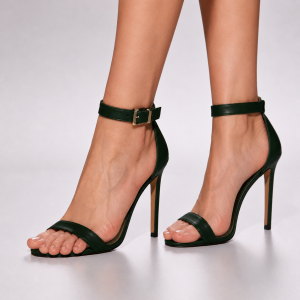
The problem is especially common in sandals with heels or wedges. The steeper the insole angle, the more body weight shifts toward the front part of the foot. If the straps do not hold the instep well, the foot gradually slides downward, and the toes end up too close to the edge of the sole.
The insole is too smooth
One of the most common reasons is a very smooth inner surface. If the insole is slippery, the foot has difficulty staying in place. In summer, this effect becomes stronger because of heat and skin moisture. Even if the size is correct, the foot may slowly slide forward with every step.
This problem is especially noticeable in shoes made from patent, synthetic, or very smooth materials. On the outside, the pair may look impressive, but inside it may not provide enough grip.
Wrong size or unsuitable width
Sometimes it may seem that the shoes are too small because the toes move forward. In reality, the pair may even be too loose over the instep or too wide in the front. The foot is not fixed properly and starts moving inside the shoe.
The opposite can also happen: the shoes are too short, so the toes do not have enough space from the beginning. Then, while walking, they quickly reach the edge of the sole. This is why, during fitting, it is important to check not only length, but also width, instep fixation, and heel position.
High heels and a strong angle of the last
The heel itself is not always the problem. But if the shape of the last makes the foot slide strongly forward, the pressure shifts almost completely to the ball of the foot and the toes. In such shoes, the toes have to tense constantly to keep the foot in place.
If you like classic shoes or open heeled models, pay attention to stability, strap placement, and the feeling of balance. A good pair should not make the foot “move down” already during the first fitting.
Weak fixation with straps
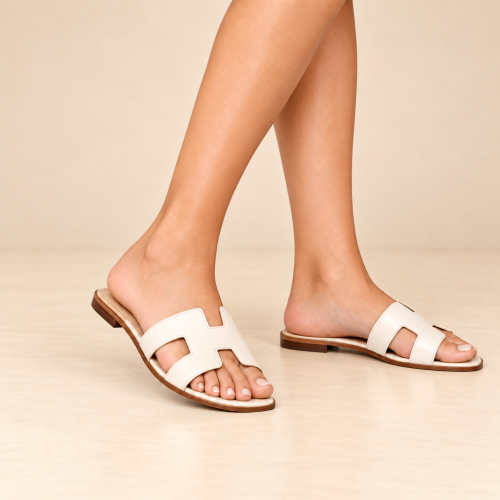
In open shoes, straps play a very important role. They should not only look beautiful, but also hold the foot. If the strap is placed only near the toes while the instep remains free, the foot may slide forward even in flat shoes.
Models that fix not only the front part, but also the ankle or instep area, usually work better. This helps the foot stay in place and makes each step feel more confident.
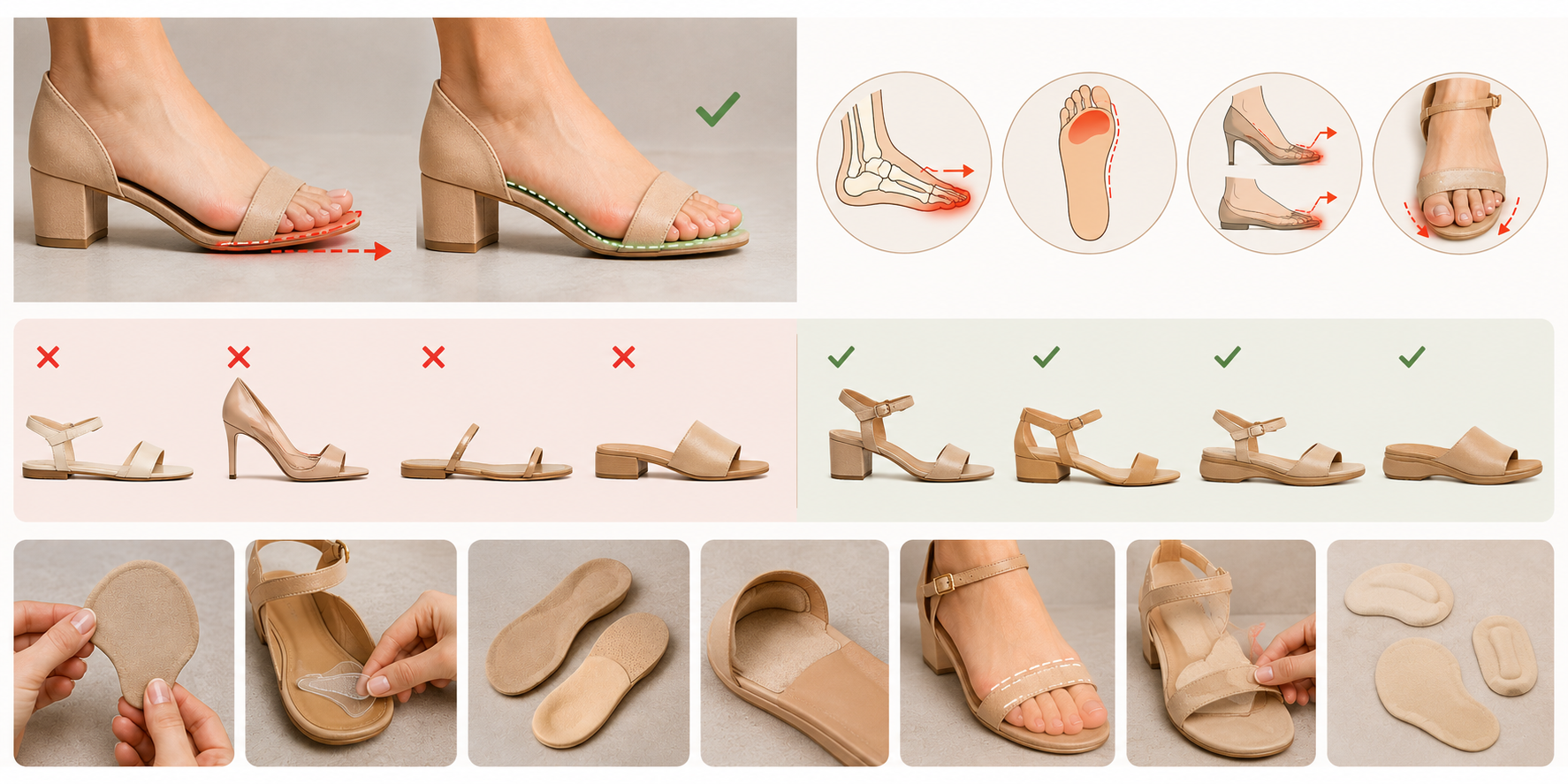
Why the toes start gripping the shoes
When the foot slides, the toes automatically try to hold the shoes. They tense, curl, or seem to grip the insole. At first, this may go unnoticed, but after some time, fatigue, discomfort, and a feeling of heaviness in the front part of the foot appear.
This way of holding shoes is not natural. During normal walking, the toes should help with push-off, not constantly save the shoes from sliding. If you notice that your toes are always tense in open shoes, the fit of the pair needs attention.
How to choose open shoes so the foot does not slide
When choosing open shoes, appearance is not enough. The pair should fix the foot well from the first minutes of fitting. Walk around the store or room and notice whether the foot moves forward, whether you need to curl your toes, or whether the heel moves too freely.
Pay attention to the insole. It is better if it has a slight texture, a soft surface, or a small recess under the heel. A completely flat and smooth insole is more likely to cause slipping, especially in summer.
For everyday wear, choose summer shoes with a stable sole, a comfortable shape, and straps that actually hold the foot. If the shoes look beautiful but the foot already slides forward during fitting, the problem will become even more noticeable after a long walk.
What to do if the shoes are already bought
If you already have a favorite pair, you do not necessarily have to give it up immediately. Very often, the situation can be improved with simple accessories. The most popular solution is silicone pads for the front part of the foot. They reduce slipping and soften pressure on the ball of the foot.
Another option is anti-slip inserts attached to the insole. They make the inner surface less smooth and help the foot stay more securely in place. For shoes with rigid straps, you can use silicone protectors that shield the skin from rubbing and slightly improve fixation.
If the foot slides because of moisture, special foot products may help: deodorant, talcum powder, or light foot powder. They reduce skin humidity and make the step more stable.
When it is better to choose another model
Sometimes accessories help, but not always. If the shoes are much too big, do not hold the instep well, have too strong an angle, or constantly make the toes go beyond the edge of the sole, it is better to choose another model. Comfort should not depend only on extra inserts.
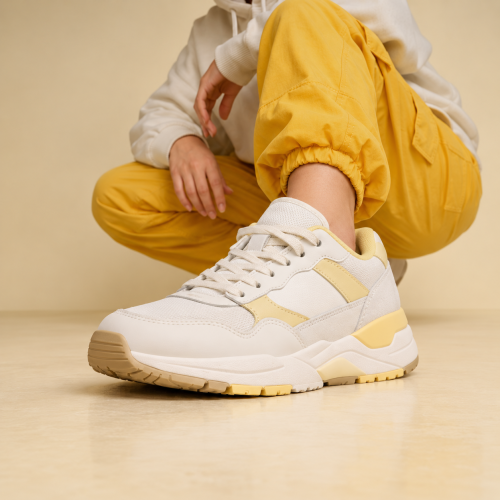
For long walks, more stable models are better: sandals with an ankle strap, sandals with several fixation points, comfortable flip-flops with a firm strap, or lightweight sneakers for active days.
Mistakes that make slipping worse
The first mistake is buying open shoes only by sole length. Even if the toes fit, the foot may be poorly fixed in width or over the instep. The second mistake is choosing very smooth insoles for hot weather. The third is hoping that the shoes will “break in,” even though the foot already slides forward during fitting.
It is also not a good idea to choose straps that are too loose just for a feeling of freedom. They may not press, but they will not hold the foot either. As a result, the foot will keep moving inside the shoe.
Advice from Happy Heels
When trying on open shoes, do a simple test: put the pair on, walk a few steps, stop, and look at where your toes are. If they immediately end up at the edge of the sole, during real walking the foot will slide even more.
Good open shoes should give freedom, but not instability. The foot should not be squeezed, but it should not move freely inside the pair either. This balance is what makes summer shoes truly comfortable.
Quick summary
- The foot slides forward because of a smooth insole, weak fixation, heel angle, or unsuitable size.
- The toes should not constantly hold the shoes while walking.
- When choosing open shoes, length, width, instep, straps, and insole shape all matter.
- Silicone pads and anti-slip inserts can improve the fit.
- If the shoes make the foot tense already during fitting, it is better to choose another model.
Conclusion
Open shoes should not turn summer walks into a constant struggle with slipping. If the foot keeps sliding forward, the reason is usually not your feet, but the fit, insole, straps, or shape of the shoe.
Correctly chosen sandals, flip-flops, or other summer shoes give the feet freedom while still keeping them in place. When the pair truly fits you, walking becomes lighter, the toes do not tense, and the summer outfit looks not only beautiful, but also genuinely comfortable.