






Shoe Rain Covers: How to Protect Your Favorite Pair from Rain and Dirt
Rainy weather can be a real problem for shoes. Even a beautiful and comfortable pair can quickly lose its neat look if it comes into contact with water, mud or wet snow every day. It is especially frustrating when your favorite shoes, sneakers, ankle boots or transitional pair get damaged, even though you wanted to wear them for more than one season.
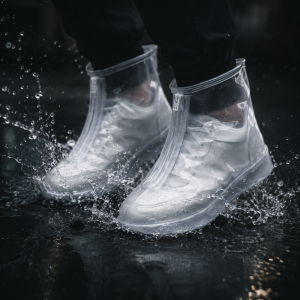
In such situations, rain shoe covers can help. These are protective covers that are worn over shoes to protect them from moisture, splashes and dirt. They are especially useful when it is raining outside, but you still need to walk to work, school, appointments or around the city.
In this article, we will explain why rain shoe covers are useful, what types exist, how to choose shoes and the right protection for them, and how to keep women’s shoes in good condition every day.
What are rain shoe covers and why are they useful?
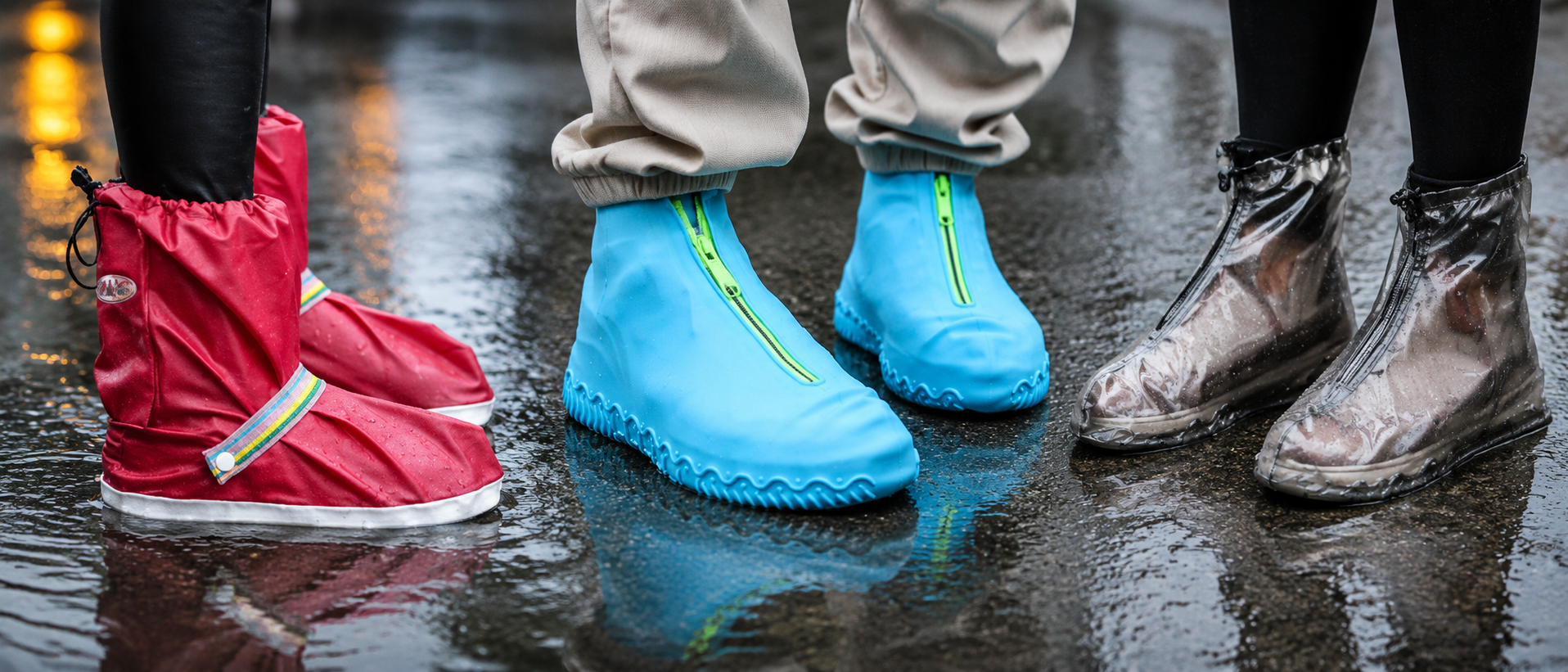
Rain shoe covers are special protective covers that are worn over shoes, sneakers or boots. They are usually made of rubber, PVC, silicone, waterproof fabric or another material that does not let water through. The upper part fits around the shoes to help prevent water and dirt from getting inside.
This accessory is especially useful for shoes that are not made for heavy rain. For example, sneakers, pumps, ankle boots, loafers or light-colored models. Even if a pair looks strong, regular contact with moisture can damage the material, leave stains and shorten its life.
Rain protection helps keep shoes dry and the outfit neat. It is a practical solution for women who walk a lot and do not want to give up their favorite pair just because of bad weather.
For the rainy season, you can also choose transitional shoes that are more suitable for changing weather.
When rain shoe covers are especially useful
Protective covers are useful not only during heavy rain. They can also be used in wet snow, after a storm, on muddy sidewalks, while traveling, walking or going to work.
They are very helpful for light-colored shoes. White, beige and pastel pairs get dirty quickly, and mud marks are more visible on them. Covers help avoid stains and frequent cleaning.
Rain covers are also useful for materials that do not handle moisture well. Suede, nubuck, textile and some types of faux leather can quickly lose their beautiful look after rain.
If you have a favorite pair of sneakers or shoes that you do not want to ruin in bad weather, rain covers are a simple and practical solution.
What types of rain shoe covers exist?
The most popular options are silicone and rubber covers. They protect well from water, are easy to wash and dry quickly. Such models are often chosen for the city, trips and daily wear in rainy weather.
PVC covers and models made from flexible plastic materials are usually light and compact. They are easy to keep in a bag and use when rain starts unexpectedly. They work well as an emergency option.
Textile rain covers are made from fabric with a water-repellent treatment. They can look softer and more discreet, but it is important to check the quality of the material so it really protects from moisture.
There are also thicker models with a reinforced sole. They are better for long walks and wet snow because they provide extra protection from below.
How to choose the material
The material should be waterproof, flexible and strong enough. If the cover is too thin, it can tear quickly. If it is too stiff, it will be difficult to put on and uncomfortable to walk in.
For heavy rain, rubber, silicone or PVC are good choices. These materials protect well from water and mud, are easy to clean and can be used often.
For short walks and light rain, you can choose thin compact covers. They take up little space and are useful as a backup accessory in your bag.
If you wear city shoes, such as high-heeled shoes or loafers, choose more discreet models without extra volume.
How to choose the right size
Size is one of the most important details. If the cover is too small, it will not fully cover the shoes and may tear when you put it on. If it is too large, it will slip, make walking uncomfortable and look messy.
Usually, shoe covers are chosen according to shoe size. However, if you wear chunky soles, platforms or bulky sneakers, it is better to choose a slightly larger size.
Before buying, check the manufacturer’s size chart. It is also important to consider the shape of the shoes: narrow pumps and large boots may need different covers even if they are the same size.
If you plan to use rain covers with transitional boots, choose a model with a little extra room in height and volume.
What to pay attention to when buying
A good rain cover should be easy to put on, stay firmly on the shoe and not disturb walking. Check whether it has an elastic edge, good fixation and a non-slip lower part.
If the sole of the cover is smooth, it can be slippery on wet tiles or stairs. For city use, it is better to choose models with a textured surface on the bottom.
The height of the cover also matters. Low covers are suitable for pumps and canvas shoes, while higher models are better for boots and transitional footwear.
Color and design also play a role. Transparent models are universal, black ones look practical, and bright covers can become an interesting detail in the outfit.
How to wear rain shoe covers
Put the cover on carefully and do not pull the material too sharply. First insert the front part of the shoe, then adjust the cover over the sole and heel. The upper part should fit closely, but should not squeeze the foot.
After wearing, remove the cover, rinse off dirt and let it dry at room temperature. Do not place it on a radiator, because the material may lose its shape.
Store the covers clean and dry. If you fold them while they are wet, an unpleasant smell may appear.
This accessory is convenient to keep in a bag together with other useful products from the women’s accessories section.
Tips
- Choose rain covers according to the size and shape of your shoes.
- For heavy rain, rubber, silicone or PVC are good choices.
- Check that the sole of the cover is not slippery.
- For bulky shoes, choose a size with a little extra room.
- Do not use a cover that is too small, because it can tear.
- After wearing, wash mud off the covers.
- Dry the covers only at room temperature.
- Use protection for light-colored, suede and textile shoes.
Conclusion
Rain shoe covers are a simple but very useful accessory. They help protect your favorite pair from rain, mud and wet snow. They are especially practical for shoes that do not handle moisture well: light-colored models, suede, textile, sneakers, pumps and boots.
Properly chosen protection helps extend the life of shoes and keeps them looking neat. The most important thing is to choose the right size, strong material and a sole that does not slip.
If you know how to choose shoes and care accessories, rainy weather will not stop you from looking stylish and feeling comfortable every day.