







What to Do If Your Shoes Squeak: Simple Causes and Easy Solutions

Squeaky shoes can ruin even the most carefully planned outfit. A pair may be beautiful, new and comfortable, but an unpleasant sound with every step immediately attracts attention. It is especially annoying when your favorite women’s shoes start squeaking, especially if you planned to wear them every day.
The reasons can be different: a damp insole, a stiff sole, a loose heel, dry material or a production defect. Sometimes the problem can be solved at home, and sometimes it is better to contact a shoe repair specialist so you do not damage the pair.
In this article, we will explain why shoes squeak, what you can do yourself and how to choose shoes that are not only stylish, but also comfortable to wear.
Why shoes start squeaking
Squeaking appears when parts of the shoe rub against each other or against the floor surface. Sometimes the sound comes from the sole, sometimes from the insole, heel, arch support, seams or upper material.
A new pair may squeak because the material is still stiff or because of the way the shoes were made. If the sound appears right after purchase and does not disappear, it may be a defect. If the shoes start squeaking after a few months, the reason is often moisture, wear or incorrect storage.
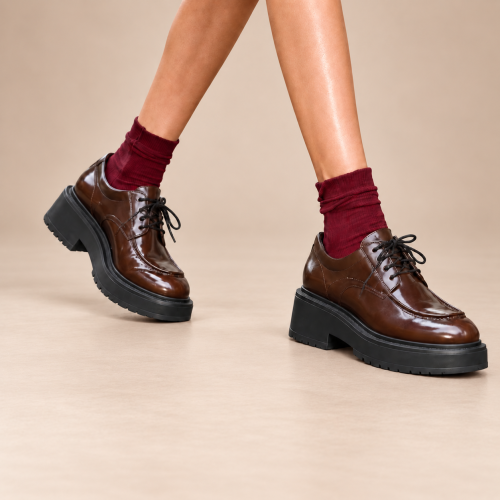
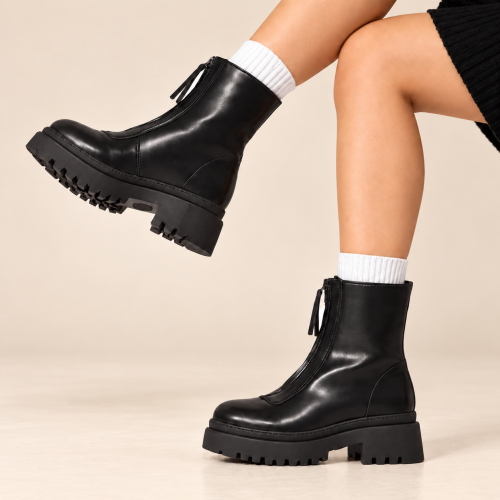
If you choose shoes for everyday wear, it is important to check the pair in the store: walk a few steps, listen for any sound, check the fit and stability. For a basic wardrobe, you can choose shoes, loafers, sneakers or boots with a quality sole and soft inside.
How to understand where the squeak comes from
Before solving the problem, you need to find the source of the sound. Put the shoes on and walk on different surfaces: tile, laminate, carpet. Sometimes shoes squeak only on smooth floors, while the sound disappears on carpet.
Then check the sole, insole, heel and upper part of the shoes. If the squeak appears when you bend the foot, the reason may be the sole or the material. If the sound comes from inside, the insole is often the cause. If only one heel squeaks, it is safer to show the pair to a specialist.
Do not use aggressive methods right away. First, you need to understand what exactly is squeaking, otherwise you can make the problem worse.
If the sole squeaks
The sole is one of the most common causes of squeaking. It can make sounds because of stiff material, small cracks, sand, dust or friction against a smooth floor.
First, clean the sole from dirt and small stones. Sometimes this is enough. If the sole has become dry or too stiff, you can treat it carefully with a shoe product suitable for the material.
If the squeak appears because the sole is separating, home methods will not help for long. In this case, it is better to go to a repair shop, where the sole can be glued correctly.
If the insole squeaks
The insole can squeak if it does not fit tightly inside the shoe or moves while walking. This often happens with sneakers, boots, ballet flats and closed shoes.
If the insole is removable, take it out, clean it and dry it well. Then put it back and check whether the sound has disappeared. Sometimes replacing the insole with a softer and more stable one helps.
If there is friction inside the shoe, you can use a thin layer of talc under the insole. It reduces slipping and helps remove the sound.
For extra comfort, you can choose shoe accessories that better match the shape of your foot.
If the upper material squeaks
Leather, patent leather, artificial materials and suede can squeak if they have become dry, wet or rub in bending areas. This is especially noticeable with a new pair or with shoes that have been stored for a long time.
First, dry the shoes naturally at room temperature. Do not put the pair on a radiator and do not dry it with hot air. Strong heat can damage the material.
After drying, smooth leather can be treated with a suitable cream or softening product. Suede and nubuck need special products. Patent leather shoes should be treated only with products made for patent leather.
If loafers and moccasins squeak, check the bending areas and seams: sometimes the sound appears exactly there.

If the heel squeaks
A squeaky heel should not be ignored. If the heel is poorly fixed, moves or makes a sound with every step, wearing that pair can be unsafe.
Check whether the shoes stand firmly on the floor. If the heel moves, tilts or feels unstable, it is better to go to a shoe repair specialist right away.
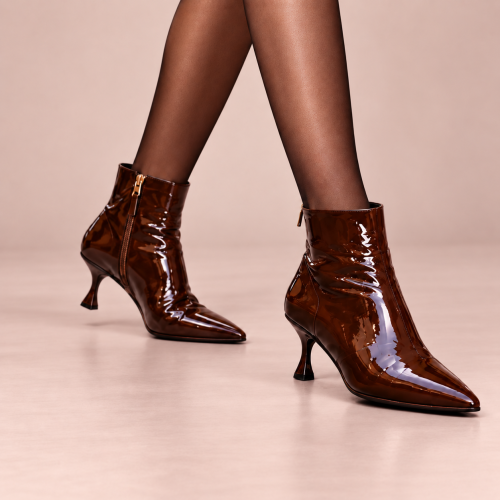
This is especially important for heeled shoes, sandals and ankle boots. A specialist can check the heel tip, heel fastening and arch support.
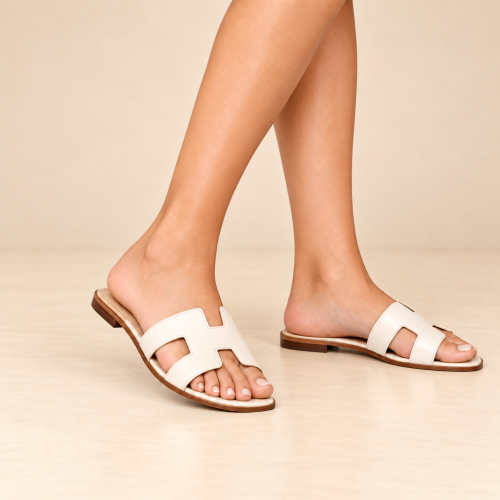
If you need a more stable pair for the warm season, you can choose sandals with a secure sole and stable heel.
If sneakers or canvas shoes squeak
Sneakers and canvas shoes can squeak because of the sole, insoles, moisture inside or the shape of the outsole pattern. First, dry the pair well and check whether small stones are stuck in the sole.
If the sound comes from the insole, try removing it, drying it or replacing it. If the sole squeaks, the reason may be the material or empty spaces inside.
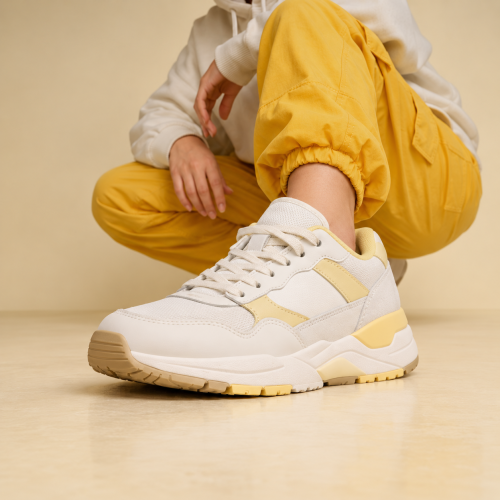
For active wear, it is better to choose sneakers or canvas shoes with a quality sole, good cushioning and a comfortable fit.
What you should not do
Do not pour large amounts of oil, glue or alcohol into the shoes. These methods can damage the material, leave stains or make the surface sticky.
Do not use superglue on the sole. It can damage the material and make future repair more difficult. Shoes need special adhesives that are chosen according to the material and type of sole.
Do not dry the pair on a radiator, even if the squeak appeared after rain. Overdried leather becomes stiff, cracks and can start squeaking even more.
Tips
- First, find the source of the squeak: sole, insole, heel or upper material.
- Clean the sole from dust, sand and small stones.
- Dry the shoes well at room temperature.
- If the insole squeaks, remove it, dry it or replace it.
- For smooth leather, use a suitable softening product.
- Do not use superglue or aggressive home methods.
- If the heel moves, go to a specialist.
- Store shoes clean, dry and with shoe forms inside.
How to avoid squeaking when buying shoes
During fitting, always walk a few steps around the store. Listen carefully for any unpleasant sound. If possible, check the pair on different surfaces.
Also pay attention to the quality of the sole, insole, seams and heel. Shoes should not smell strongly of glue, feel unstable or seem too stiff.
If you are thinking about how to choose shoes for daily wear, choose a pair with a comfortable last, soft inner part and stable sole. Such shoes make the feet less tired and bring fewer unpleasant surprises.
Conclusion
If shoes squeak, first you need to understand the cause. Sometimes it is enough to clean the sole, dry the pair, replace the insole or treat the material with a suitable product. But if the problem is in the heel, arch support or a separating sole, it is better to go to a specialist.
Properly chosen women’s shoes should be not only beautiful, but also comfortable. When the pair fits well, does not rub, does not squeak and matches your lifestyle, it truly becomes a favorite.
Care, proper storage and careful choice help shoes for everyday wear stay comfortable, beautiful and pleasant to wear.