







Smart Sneakers with Sensors: How Technology Helps Analyze Running Technique
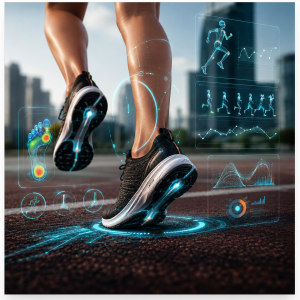
Modern sneakers are no longer only about cushioning, foot support, and good design. Sports footwear is increasingly using technologies that help people better understand the way they move. One of the most interesting examples is smart sneakers with sensors. Such shoes can read running data, analyze technique, and send information to an app.
For runners, this is useful because it is difficult to notice every detail during training: how the foot touches the ground, how long the stride is, whether the load is distributed evenly, or whether the landing becomes too hard. Smart sneakers help reveal these moments not only through feelings, but through clear data.
If earlier sneakers were chosen mainly by comfort, weight, and design, now another criterion appears: the ability of footwear to help analyze movement.
What are smart sneakers with sensors?
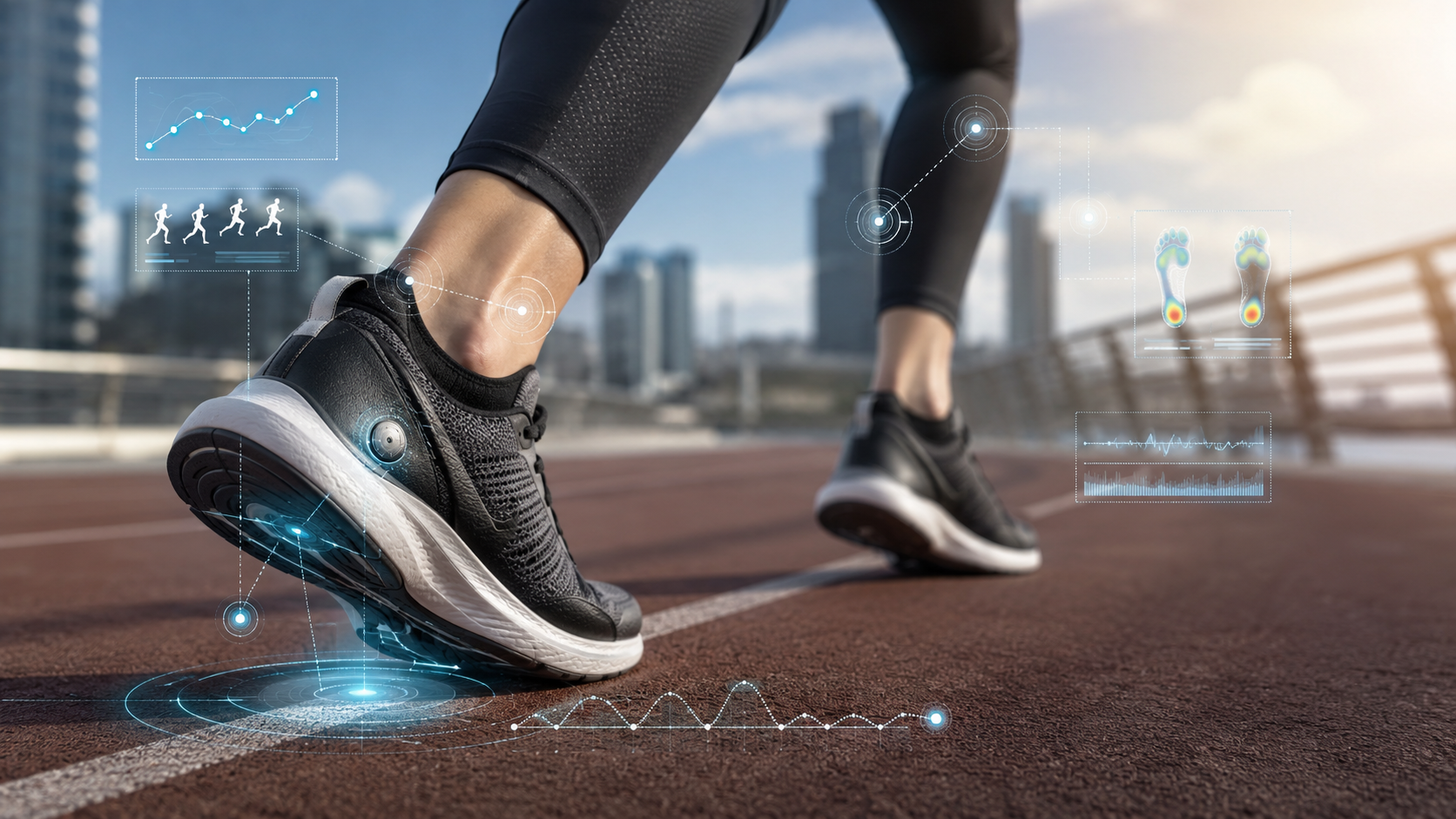
Smart sneakers are shoes with special sensors built inside. Most often, they are placed in the sole or insole, exactly where the foot interacts with the surface. The sensors record movement and send the information to a smartphone or another device.
Such a system can track the number of steps, stride length, pace, ground contact time, landing force, balance between the right and left foot, and the way the foot touches the ground. Some models can also show which part of the foot lands first: heel, midfoot, or forefoot.
Why running technique analysis matters
Running seems like a natural movement, but technique strongly affects comfort and performance. If a person lands too hard, takes steps that are too long, or overloads one side of the body, fatigue can appear faster. Over time, this can reduce both training efficiency and the pleasure of running.
Smart sneakers do not replace a coach, but they help notice important details. For example, if the data shows that one foot takes more load, it is worth paying attention to technique. If the stride is too long, the runner can try making it shorter and softer. This approach makes running more mindful.
How sensors in the sole work
During running, the foot constantly changes position. First comes contact with the ground, then weight transfer, and finally push-off. Sensors record these stages and turn movement into easy-to-understand indicators. After training, the runner can open the app and see how the technique changed on different parts of the route.
It is especially useful to see what happens when fatigue appears. At the beginning of a run, the step may be light and stable, while closer to the end it may become harder or less symmetrical. Such data helps adjust effort and understand the body better.
How smart sneakers differ from regular ones
Regular sports shoes work mainly physically: they cushion impact, support the foot, help maintain balance, and protect against the surface. Smart sneakers do the same, but also add digital analysis.
The main difference is feedback. You do not simply complete a distance — you receive information about how you moved. This is especially interesting for people who want not only to run more, but also to improve the quality of their training.
Who should try smart sneakers?
This type of footwear can be useful not only for professional athletes. It can also suit beginner runners who want to understand their technique from the start, as well as people who already run regularly and want more conscious training.
Smart sneakers are especially interesting for those preparing for races, changing pace often, running on different surfaces, or noticing discomfort after training. Data can show where overload appears and which habits are worth changing gradually.
However, if you need shoes only for walking, city life, or everyday outfits, sensors are not always necessary. In that case, it is better to choose comfortable sneakers, canvas shoes, or other everyday footwear with a good fit.
Benefits and limits of the technology
The main benefit of smart sneakers is the ability to analyze movement without complicated equipment. They help track technique, notice progress, and understand how the body reacts to effort.
- show how the foot lands;
- help track stride length and cadence;
- give information about load balance;
- make training more mindful;
- can increase motivation for regular running.
There are also limits. Such footwear is usually more expensive, requires app synchronization, and sometimes needs charging. In addition, numbers should not completely replace personal feelings. If there is pain or constant discomfort, it is better not to rely only on the app and to ask a specialist for advice.
How to choose smart sneakers
The first rule is simple: comfort first, technology second. Sneakers should be the right size, should not squeeze the toes, should not rub the heel, and should hold the foot well. If the pair is not comfortable, sensors will not make it a good choice.
It also matters where you run: asphalt, treadmill, park paths, or uneven terrain. Different surfaces require different sole properties. The presence of sensors does not cancel the basic requirements for running shoes.
For rainy weather, it is worth looking separately for models with moisture protection or choosing transitional shoes. Smart functions alone do not mean that sneakers are suitable for wet asphalt.
Advice from Happy Heels
If you are just starting to run, do not buy shoes only because they have modern technology. First, make sure the pair is comfortable, stable, and suitable for your foot. Smart features should complement good footwear, not hide a lack of comfort.
Quick summary
- Smart sneakers use sensors to analyze running technique.
- They can show foot landing, stride length, and load balance.
- This type of footwear helps make training more conscious.
- Sensors do not replace a comfortable last and the right size.
- The best choice is a pair where technology works together with real comfort.
Conclusion
Smart sneakers with sensors show how quickly the world of sports footwear is changing. Now, a pair can not only cushion the step and protect the foot, but also help analyze movement.
Still, the main principle remains the same: shoes must be comfortable. If sneakers fit well, match your rhythm, and give clear feedback, technology can truly help make running more comfortable and more attentive to your own body.